

-
ADHD symptoms may overlap with those of Lyme disease, leading to potential misdiagnosis.
-
Early and accurate differentiation between ADHD and Lyme disease is essential for effective treatment.
-
Parents should be vigilant about ticks and aware of the full spectrum of Lyme disease symptoms.
-
Consultation with healthcare professionals, including Lyme disease specialists, is crucial when in doubt.
-
A combination of medical history, symptom checklists, and lab tests can help distinguish between the two conditions.
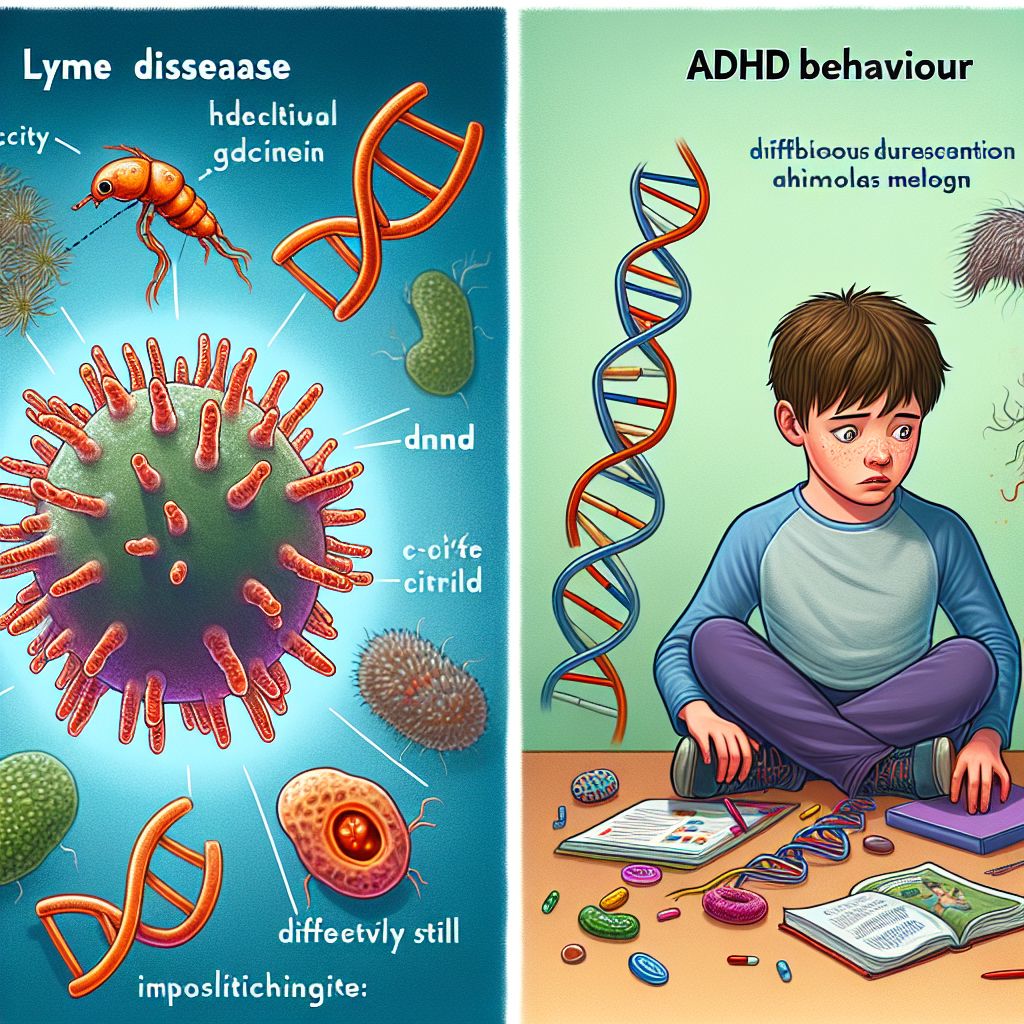
Every Parent Wants a Happy Child
As a family doctor with over four decades of experience, the joy in a parent’s eyes when their child thrives is irreplaceable. The first steps, the first words, and the first day of school are milestones that every parent looks forward to with eager anticipation. But beyond these milestones, every parent wishes for their child’s continual happiness and well-being.
Understanding Child Well-Being and Development
Child development isn’t just about physical growth. It encompasses emotional and cognitive development as well. A child’s ability to focus, learn, and interact with others is as crucial as their physical health. Therefore, when a child shows signs of struggle, it’s important to consider all aspects of their health.
But Every Parent Fears That Their Child Will Turn Out Unhappy and Unfulfilled
It’s a common fear among parents that their child may struggle with issues that prevent them from leading a happy and fulfilling life. When a child faces difficulties in school or at home, parents might worry about long-term consequences.
Addressing Common Parental Concerns
As a physician, I’ve seen the concern in parents’ eyes when they bring their child to my office. “Why can’t my child focus?” “Why are they so hyperactive?” These are the questions that keep parents up at night, fearing that their child has ADHD or something worse.
Identifying Red Flags in Child Behavior
It’s essential to identify red flags early on. Hyperactivity, impulsivity, and inattention are classic signs of ADHD, but they are not exclusive to it. Other conditions can present similarly, and it’s here where the waters can get murky.
-
Hyperactivity that seems out of the ordinary
-
Difficulty focusing on tasks at hand
-
Impulsivity that disrupts daily activities
These symptoms warrant a closer look because they could be indicators of something more than just ADHD. In fact, understanding the impact of environmental factors on your child’s health can be crucial in addressing these behavioral issues.
Lyme Disease Can Stand in the Way
Lyme disease is an illness caused by the bacterium Borrelia burgdorferi, transmitted through tick bites. Most commonly associated with symptoms like rash, fever, and joint pain, Lyme disease can also affect the nervous system, potentially leading to neuropsychiatric symptoms that mimic ADHD.
The Impact of Lyme Disease on Children’s Health
The impact of Lyme disease on a child can be profound. It can affect their school performance, their social interactions, and their overall quality of life. Because Lyme disease can cause symptoms that are easily confused with ADHD, such as difficulty concentrating and hyperactivity, it’s a critical factor to consider.
Recognizing Lyme Disease-Related Behavioral Changes
When a child who was once calm and focused begins to show a pattern of restlessness and distraction, it’s a signal to look deeper. These behavioral changes can be subtle at first, but over time they may become more pronounced. It’s not just about a child being energetic or having a bad day; it’s a shift in their baseline behavior that persists over weeks or months.
-
Sudden onset of intense mood swings or irritability
-
Unexplained outbursts or emotional reactions
-
Changes in sleep patterns, either too much or too little
These shifts can be confusing and worrying for parents. They often lead to questions about whether these changes are a normal part of growing up or indicative of an underlying issue.
One such underlying issue could be Lyme disease. This tick-borne illness can affect the nervous system and manifest in ways that resemble ADHD, making it a critical consideration in the differential diagnosis.
When to Seek Professional Help for Your Child’s Behavior
If you notice that your child’s behavior is affecting their ability to function at school or at home, it’s time to seek professional help. This is especially true if you live in an area where Lyme disease is prevalent or if your child has a history of tick bites.
Behavior that consistently interferes with daily activities and relationships is a strong indicator that something more than just ‘growing pains’ is at play. In these cases, a thorough evaluation by a healthcare professional is warranted.
Including Behavior That Looks Like ADHD
ADHD is one of the most common neurodevelopmental disorders in children, characterized by patterns of inattention, hyperactivity, and impulsivity. However, because Lyme disease can mimic these symptoms, it can lead to a misdiagnosis of ADHD when the root cause is actually an infection.
Comparing Symptoms: ADHD versus Lyme Disease Manifestations
Both ADHD and Lyme disease can present with similar symptoms, but there are nuances that can help differentiate the two. For example, a sudden change in behavior is more characteristic of Lyme disease, whereas ADHD symptoms are typically more consistent over time.
Additionally, Lyme disease can cause other symptoms that are not commonly seen in ADHD, such as:
-
Muscle aches and joint pain
-
Fever or chills
-
Bull’s-eye rash (erythema migrans)
Why Accurate Diagnosis is Crucial
An accurate diagnosis is crucial because it determines the treatment approach. Treating Lyme disease requires antibiotics, while ADHD is typically managed with a combination of behavioral therapy and medication.
Moreover, untreated Lyme disease can lead to chronic health issues, so it’s important to identify and treat the infection promptly. This is why it’s critical to distinguish between the two conditions as early as possible.
Most importantly, a misdiagnosis can mean that your child might not receive the appropriate treatment they need, which can have long-term consequences on their health and well-being.
-
An accurate diagnosis ensures the correct treatment and support.
-
Understanding the full range of symptoms is key to differentiating between ADHD and Lyme disease.
-
A misdiagnosis can lead to unnecessary treatments and overlook the true underlying condition.
How to Figure Out If Your Child’s ADHD is Being Caused by Lyme Disease
As a seasoned family doctor, I’ve guided many parents through the confusing journey of differentiating between ADHD and Lyme disease. It starts with a careful and detailed history, followed by a thorough physical examination and, if necessary, targeted testing.
Step-by-Step Guide to Differentiating ADHD from Lyme Disease
Here’s a step-by-step guide to help figure out if your child’s ADHD symptoms might be caused by Lyme disease:
-
Review the onset of symptoms: ADHD symptoms typically appear gradually and are consistent over time. Lyme disease symptoms can appear suddenly and often after a known tick exposure.
-
Look for physical signs: Check for signs of tick bites or rashes, especially the distinctive bull’s-eye rash associated with Lyme disease.
-
Consider other symptoms: Lyme disease can cause symptoms beyond those overlapping with ADHD, such as joint pain, fatigue, and fevers.
Remember, while these steps can guide you, the evaluation and interpretation should be done by healthcare professionals who know something about chronic Lyme disease—- and most do not.
Consulting with Specialists for Accurate Assessment
If there’s a suspicion of Lyme disease, consulting with a specialist who understands the complexities of tick-borne illnesses is key. This might include infectious disease specialists or neurologists with experience in Lyme disease but in my experience I knew more about pediatric neuro lyme than neurologists at the major medical center— so credentials are less important than “street knowledge”—- ask around before you trust your child to somebody who practices “cook book medicine” .
Your family doctor can facilitate these referrals and ensure that your child receives comprehensive care. They can also help interpret test results, which can sometimes be complex and require expert analysis.
Ultimately, the goal is to ensure your child receives the right diagnosis, whether it’s ADHD, Lyme disease, or another condition. This way, they can get the treatment they need to thrive and lead a happy, fulfilling life.
Key Takeaways
-
ADHD symptoms and Lyme disease symptoms can overlap, making it challenging to distinguish between the two without professional help.
-
Look out for sudden changes in behavior, physical symptoms like joint pain or rashes, and consider your child’s exposure to ticks
-
Specific blood tests can help confirm a Lyme disease diagnosis, which is treatable with antibiotics.
-
An accurate diagnosis is critical to ensure that your child receives the appropriate treatment and can lead a happy, fulfilling life.
Frequently Asked Questions
As parents, you have a right to be informed about your child’s health. Here are some frequently asked questions that might be on your mind:
What are the key distinctions between ADHD and Lyme Disease symptoms?
While there is symptom overlap, such as inattention and hyperactivity, Lyme disease may also present with sudden behavioral changes, physical symptoms like a bull’s-eye rash, joint pains, and flu-like symptoms. ADHD symptoms are typically more consistent over time and do not include these physical manifestations.
Can Lyme Disease be misdiagnosed as ADHD?
Yes, Lyme disease can be misdiagnosed as ADHD due to overlapping symptoms. This is why it’s important to have a thorough evaluation that includes a review of the child’s medical history, exposure to ticks, and a full range of symptoms.
What steps should I take if I suspect my child’s ADHD might be caused by Lyme Disease?
If you suspect your child’s ADHD symptoms might be caused by Lyme disease, you should:
-
Document the symptoms and their onset.
-
Consult with your family doctor and express your concerns about Lyme disease.
-
Request a referral to somebody who understands chronic Lyme Disease for further evaluation.
Stanley Lang, M.D. has been in active medical practice since 1978. He has been a family physician during these years with detailed experience in all age groups including delivering babies for several years. He has been a pioneer in developing models of wholistic health care that bring health to the whole person. He has particularly focussed on reversing Chronic Stress effects on the body. He is the creator of the Shalom Method for Wholistic Health, and he has created several online programs that allow patients to naturally self manage their problems including “The Natural Lyme disease Treatment Program”, the “Menopause Balancing Program”, “The Happy Healthy Child” program plus many others.
Lyme Disease and ADHD – Complications in Diagnosis
Aug 26, 2013 — Some research has shown a connection between chronic Lyme disease…www.globallymealliance.org
Kids and Lyme Disease: Cognitive Symptoms and School
Sep 5, 2019 — But Lyme can also cause many psychiatric and cognitive symptoms th…danielcameronmd.com
Oppositional behavior in children with Lyme disease
Children and adolescents with Lyme disease can develop neuropsychiatric symptoms..




Leave a Reply