
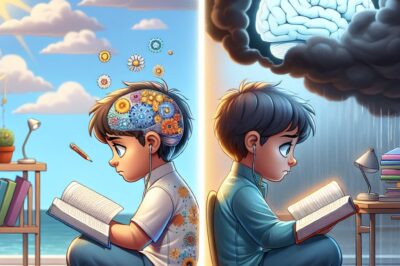
Key Takeaways
-
Chronic stress in children can disrupt cognitive development and memory, making learning more challenging.
-
Recognizing the signs of stress in children is crucial for timely intervention and support.
-
Positive adult-child relationships and a safe learning environment can mitigate the effects of stress.
-
Teaching children coping skills and emotional regulation helps them manage stress effectively.
-
Parents, educators, and communities need to collaborate to create stress-free learning experiences.
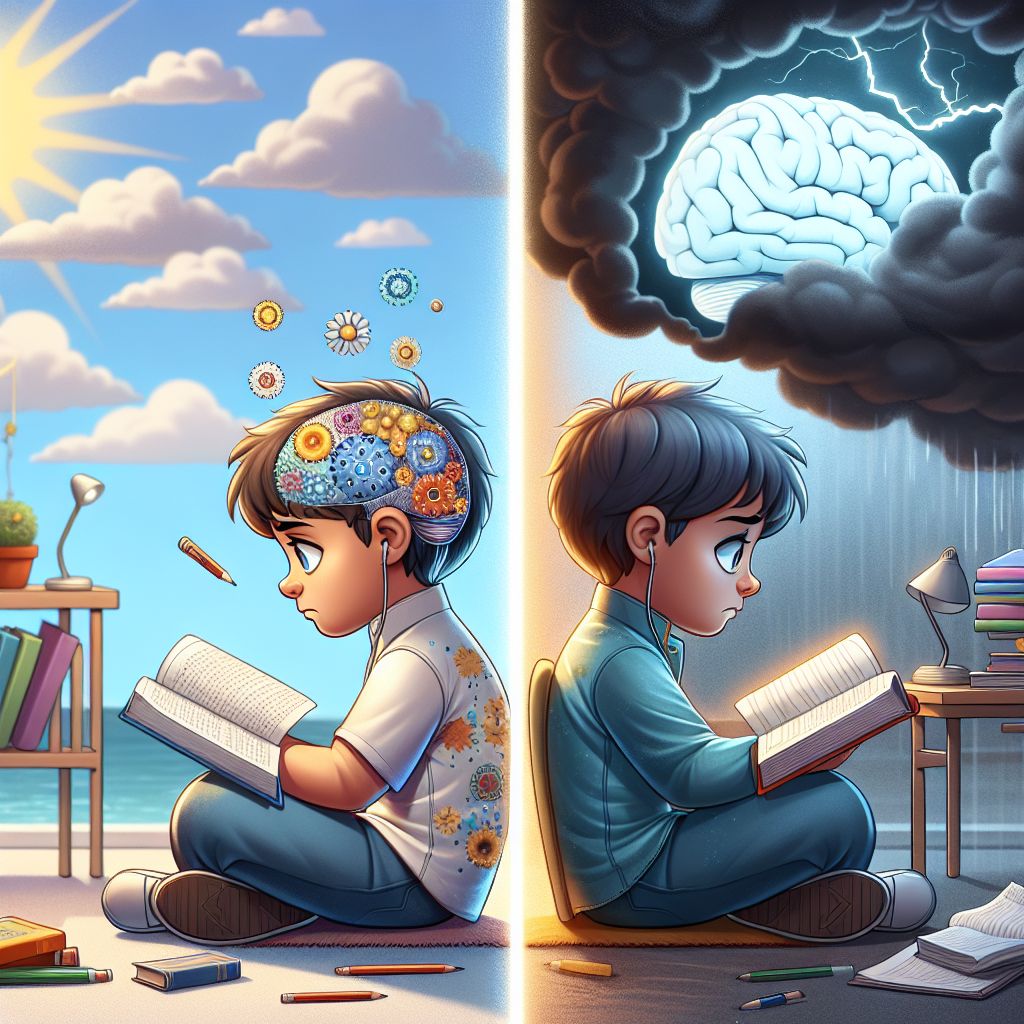
Understanding Chronic Stress in Children
As a doctor who has worked with children and families for over four decades, I’ve seen firsthand how chronic stress can affect a young person’s development. It’s not just about the occasional test anxiety or butterflies before a performance. Chronic stress is deeper and more damaging, especially during these formative years when the brain and body are still growing.
The Science Behind Chronic Stress
When we talk about chronic stress, we’re referring to the body’s response to continuous pressures that overwhelm a child’s ability to cope. This could be due to family issues, academic pressures, or even environmental factors. It’s like a switch gets flipped in their young bodies, igniting a cascade of hormones that, over time, can wear down their immune system, stunt their development, and hinder their ability to learn and grow.
Identifying Symptoms of Chronic Stress in Young Learners
Most importantly, we must be vigilant in spotting the signs of chronic stress in children. They might not always be able to articulate their feelings, but their behaviors can give us clues. Look for changes in sleep patterns, appetite, or mood. You might also notice a drop in their academic performance or a lack of interest in activities they used to enjoy. These are red flags that shouldn’t be ignored.
How Chronic Stress Hampers Learning
Learning isn’t just about the absorption of facts and figures; it’s a complex process involving attention, memory, and the ability to manage emotions. Chronic stress can throw a wrench into this intricate machinery, making it difficult for children to focus, process information, and retain it for later use.
Disrupted Cognitive Development and Memory
Under the shadow of chronic stress, the brain’s ability to develop and function optimally is compromised. The prefrontal cortex, responsible for critical thinking and decision-making, can become impaired. The hippocampus, vital for memory formation, can also suffer. This means that a stressed child may struggle with problem-solving tasks and remembering what they’ve learned, which can lead to frustration and a sense of failure.
Impact on Attention Span and School Performance
Because chronic stress consumes so much mental energy, there’s often little left for the demands of schoolwork. This can result in a shortened attention span, difficulty following instructions, and challenges in staying organized. As a result, grades can slip, and the child may become even more stressed, creating a vicious cycle that’s hard to break.
Home Life: Family Dynamics and Expectations
Let’s delve into the home environment, which plays a pivotal role in a child’s stress levels. Family dynamics and parental expectations can either act as a buffer against stress or contribute to its accumulation. When children feel supported and understand that their value is not solely based on academic or extracurricular success, they are better equipped to handle stress. On the flip side, unrealistic expectations and family discord can exacerbate feelings of anxiety and pressure.
School Life: Academic Pressure and Social Stressors
At school, children face a different set of challenges that can contribute to chronic stress. Intense academic pressure to perform, standardized tests, homework loads, and even social dynamics with peers can all be sources of significant stress. Each child has a unique threshold for stress, and what might be stimulating for one might be overwhelming for another. The effects of stress are additive.
Therefore, educators and parents must work together to create an environment that balances challenge with support, recognizing the individual needs of each learner.
Effective Strategies to Mitigate Stress and Enhance Learning
As caregivers and educators, it’s within our power to implement strategies that can significantly reduce the impact of chronic stress on learning. By fostering resilience and providing the right support, we can help children not only cope with stress but also thrive despite it.
Building Supportive Adult-Child Relationships
One of the most powerful tools at our disposal is the relationship we build with children. A strong, supportive bond can act as a shield against the harmful effects of stress. By being available, listening actively, and offering encouragement, we can help children feel secure and valued, which in turn boosts their confidence and ability to face challenges.
Creating a Positive and Safe Classroom Climate
In the classroom, the climate set by the teacher can have a profound impact on a child’s stress levels. A positive, inclusive environment where mistakes are seen as learning opportunities can help reduce the fear of failure. Besides that, clear expectations and consistent routines can create a sense of stability, allowing children to focus on learning rather than worrying about what comes next.
Integrating Creativity with Teaching Art Like Drawing and Painting for Stress Reduction
Artistic activities such as drawing and painting are not just about expressing creativity—they’re also powerful stress relievers. When children engage in art, they take a break from their worries, entering a state of flow that is both calming and rejuvenating. Integrating these activities into the curriculum or as a regular part of the school day can provide children with essential ‘mental vacations’ from stress.
Empowering Children to Manage Stress
Equipping children with the skills to manage stress is as important as teaching them math or reading. It’s about giving them the tools to navigate the complexities of life with resilience and emotional intelligence.
Encouraging Healthy Lifestyle Choices and Habits
A healthy lifestyle is a foundation upon which stress resilience is built. Adequate sleep, proper nutrition, and regular physical activity are essential for maintaining mental and physical health. Unfortunately for most, the diet for most children is lacking in many critical nutrients that give the brain resilience in stress. Encouraging these habits in children not only helps them manage stress but also sets them up for a lifetime of well-being.
Collaborative Efforts Toward Stress-Free Learning
No one can tackle all of the issues causing chronic stress in children alone. It requires a concerted effort from parents, educators, and the wider community to create environments that support stress-free learning.
The Role of Parents and Guardians
Parents and guardians are children’s first teachers and advocates. By staying informed about the signs of stress and the strategies to combat it, they can be proactive in supporting their child’s well-being. Open communication with schools and advocating for policies that prioritize children’s mental health are ways parents can make a difference.
Parents and guardians are children’s first teachers and advocates. By staying informed about the signs of stress and the strategies to combat it, they can be proactive in supporting their child’s well-being. Open communication with schools and advocating for policies that prioritize children’s mental health are ways parents can make a difference.
FAQ
What Are the Signs That a Child Might Be Experiencing Chronic Stress?
Signs of chronic stress in children can include changes in behavior, such as increased irritability or withdrawal, physical symptoms like headaches or stomachaches, trouble sleeping, and changes in academic performance. If you notice these signs, it’s important to reach out for professional support.
How Does Chronic Stress Affect a Child’s Ability to Focus in Class?
Chronic stress can overwhelm a child’s mental resources, making it difficult for them to concentrate and stay engaged in class. Their minds may be preoccupied with the source of their stress, leaving less capacity for learning and absorbing new information.
Can Chronic Stress in Childhood Have Long-Term Effects on Learning?
Yes, chronic stress can have long-term effects on a child’s learning capabilities. It can affect brain development, leading to difficulties with memory, attention, and problem-solving skills that can persist into adulthood.
What Can Educators Do to Help Reduce Stress in the Classroom?
Educators can help reduce stress by creating a positive, supportive classroom environment. This includes building strong relationships with students, incorporating stress-reduction techniques into the day, and providing students with autonomy and choice in their learning activities.
Chronic stress in children can have a significant impact on their ability to learn and perform in school. Stressful experiences in children not only affect their brain development but also their emotional well-being, potentially leading to issues such as poor self-esteem and loneliness. It’s crucial to address these challenges early on to ensure children have a healthy environment in which to grow and thrive.
Stanley Lang, M.D. has been in active medical practice since 1978. He has been a family physician during these years with detailed experience in all age groups including delivering babies for several years. He has been a pioneer in developing models of wholistic health care that bring health to the whole person. He has particularly focussed on reversing Chronic Stress effects on the body. He is the creator of the Shalom Method for Wholistic Health, and he has created several online programs that allow patients to naturally self manage their problems including “The Natural Lyme disease Treatment Program”, the “Menopause Balancing Program”, “The Happy Healthy Child” program plus many others.
Toxic Stress
Such toxic stress can have damaging effects on learning, behavior, and health ac…
Toxic Stress: How the Body’s Response Can Harm a Child’s …
Jul 13, 2017 — Toxic stress that children suffer not only shapes their emotional…
Effects of Stress On Child Development
Jul 13, 2022 — ResearchTrusted Source shows that toxic stress leads to long-term…




Leave a Reply