
Key Takeaways
-
Understand the risks of common household cleaners to children’s health.
-
Learn which ingredients to avoid in cleaning products for a child-friendly home.
-
Discover natural and safe DIY alternatives to conventional cleaning products.
-
Know how to read labels and certifications to ensure the safety of cleaning products.
-
Gain strategies to maintain a clean yet non-toxic environment for your children.
The Hidden Dangers Lurking in “Clean” Spaces
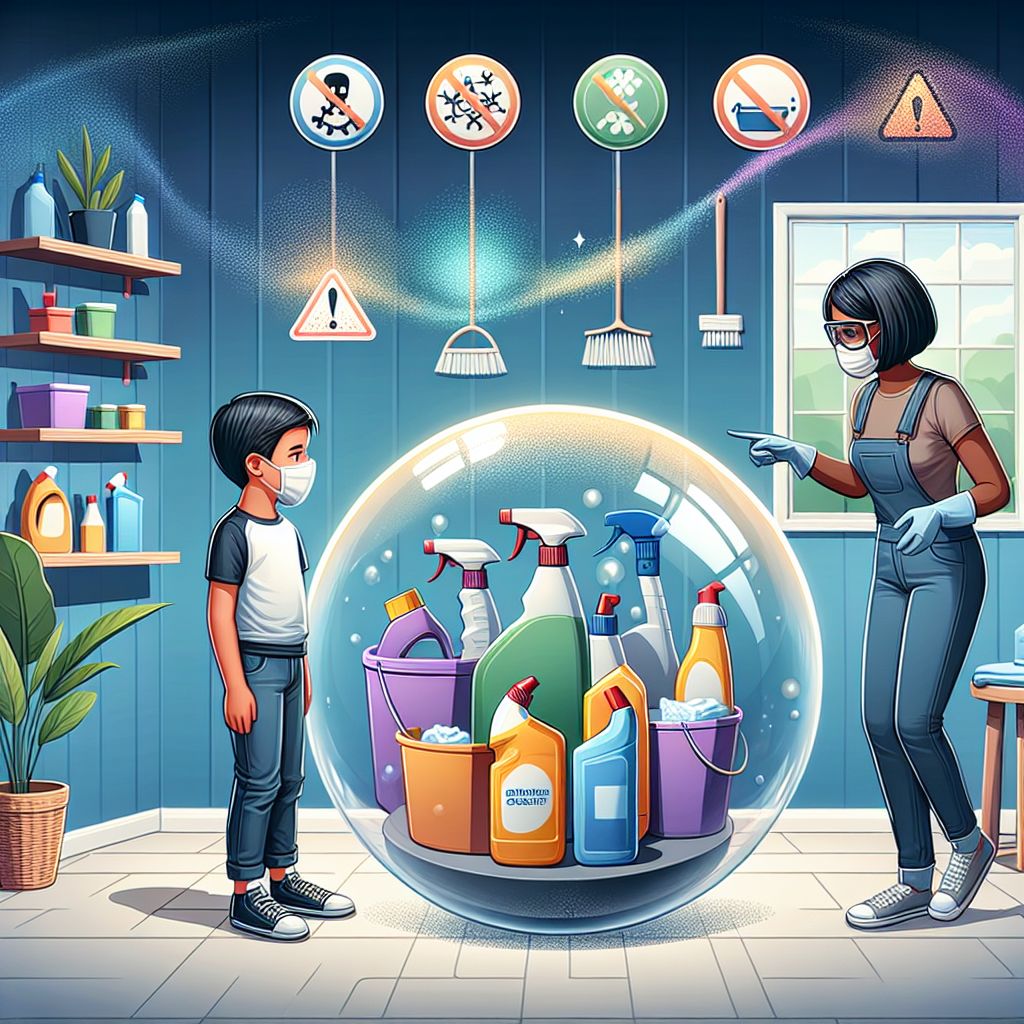
As a family doctor, I’ve seen firsthand the impact of our environment on children’s health. Over the years, I’ve learned that what we consider ‘clean’ might not always be ‘safe,’ especially for our little ones. It’s not just about the visible dirt; it’s the invisible chemicals that we need to be cautious of. In our quest for a spotless home, we often overlook how the very products we use to clean can affect the health of our children. In fact the dirt would be good for their microbiome but the chemicals destroy it.
Neurotoxic Chemicals in Household Cleaners
Let me tell you, the number of chemicals in everyday cleaners can be staggering. Some of these are neurotoxic, which means they can affect your child’s brain development. For instance, solvents in cleaning agents can disrupt nerve cell communication, and over time, this can lead to issues with learning and behavior.
Because children’s brains and bodies are still developing, they are particularly vulnerable. A child’s skin is more permeable than an adult’s, and their respiratory rates are higher, which means they can absorb more of these chemicals at a faster rate.
Let’s not forget, children are often closer to the ground, where these chemicals settle. They play on the floor, touch various surfaces, and then put their hands in their mouths, leading to direct ingestion of these harmful substances.
Disrupting the GI Tract: How Cleaners Affect the Microbiome
Another concern is the effect of harsh cleaning products on the gut microbiome. This complex community of microorganisms in our digestive system is crucial for digestion, immune function, and even mental health. When children are exposed to antibacterial agents and disinfectants, it can disrupt the balance of good and bad bacteria in their gut.
This disruption can have a ripple effect on their overall health. It’s like throwing a wrench into a finely tuned machine – the consequences can be far-reaching, from digestive issues to an increased risk of allergies and asthma.
Cleaning Products and the Immune System: Understanding the Connection
Moreover, there’s a growing body of evidence suggesting that over-sanitization can weaken a child’s immune system. Known as the ‘hygiene hypothesis,’ this theory posits that a lack of exposure to a variety of microbes in early childhood can hinder the immune system’s development, making children more susceptible to allergies and autoimmune diseases.
So, while it’s important to keep our homes clean, we need to strike a balance. It’s not just about killing germs; it’s about creating an environment where our children’s immune systems can develop properly. This is where choosing the right cleaning products becomes critical.
Identifying Child-Safe Cleaning Products
Now, let’s dive into how you can identify cleaning products that are safe for your children. It starts with knowing what’s in your cleaning products and understanding the potential risks associated with those ingredients.
Ingredients to Avoid for a Child-Friendly Home
-
Ammonia: It can cause respiratory issues and skin burns.
-
Bleach: While effective at killing germs, it can be corrosive and irritate the lungs.
-
Phthalates: Often found in fragranced products, these can disrupt hormones.
-
Triclosan: An antibacterial agent that can contribute to antibiotic resistance.
-
Formaldehyde: A known carcinogen that can also trigger allergic reactions.
These are just a few examples of the harmful chemicals that can lurk in your household cleaners. It’s not just about avoiding one or two harmful substances; it’s about being vigilant and choosing products that prioritize your child’s health.
Labels and Certifications: What They Really Mean
When it comes to labels, it’s not always clear-cut. ‘Natural’ doesn’t always mean safe, and ‘green’ can be a marketing term rather than a guarantee of safety. Here’s what you should look for:
-
Look for products certified by reputable organizations like Green Seal or EcoLogo.
-
Check for a complete list of ingredients – transparency is key.
-
Be wary of vague terms like ‘eco-friendly’ without specific substantiation.
-
Many people now make their own simple cleaning agents.
Remember, the absence of a warning label doesn’t necessarily mean a product is safe. It’s up to you to do the research and make informed choices.
DIY Solutions: Safe and Effective Alternatives
One of the best ways to ensure the safety of your cleaning products is to make them yourself. It’s easier than you think, and you probably have most of the ingredients in your pantry. Here are a few simple recipes:
-
All-purpose cleaner: Mix equal parts water and white vinegar in a spray bottle. Add a few drops of essential oil for a pleasant scent.
-
Glass cleaner: Combine 2 cups of water, 1/2 cup white vinegar, and 1/4 cup rubbing alcohol for a streak-free shine.
-
Disinfectant: For a simple disinfectant, mix 2 teaspoons of borax, 4 tablespoons of vinegar, and 3 cups of hot water.
These natural alternatives are not only safer for your children, but they’re also kind to the environment and easy on your wallet.
Long-Term Effects of Environmental Toxins on Children
Our homes should be safe havens for our children, but the reality is that they can be filled with environmental toxins that have long-term effects on their health. As a family doctor, I’ve seen increases in conditions like asthma and allergies, and research suggests that environmental toxins play a role in this trend. Children’s bodies are less equipped to handle toxins, and their developing organs are more susceptible to damage.
Chronic exposure to harmful chemicals found in some cleaning products can lead to a range of health issues. These can include hormonal imbalances, developmental delays, and even an increased risk of certain cancers. It’s crucial to understand that the effects of these toxins may not be immediately apparent, but they can manifest over time as children grow and develop.
From Allergies to Asthma: Tracking Health Impacts Over Time
Children exposed to harsh cleaning chemicals may develop allergies or asthma as their immune system reacts to these foreign substances. The tricky part is that symptoms may not always be directly linked to the products used in the home. That’s why it’s essential to be proactive and reduce exposure to potential irritants before problems arise.
For example, using a spray cleaner can distribute tiny droplets of chemicals into the air, which children can then inhale. Over time, this can lead to respiratory issues. It’s not just about avoiding a single use; it’s about understanding the cumulative effect of repeated exposures.
Building Immunity in a Sterile World: The Hygiene Hypothesis
While keeping our homes clean is important, there’s such a thing as being too clean. The hygiene hypothesis suggests that a lack of exposure to a variety of microbes can prevent the immune system from developing properly. This lack of microbial diversity may lead to higher rates of allergies and autoimmune diseases.
Therefore, it’s important to balance cleanliness with exposure to the harmless bacteria that help build a robust immune system. Using child-safe cleaning products that don’t overly sterilize the environment can be a part of this balanced approach. Most of the so called germs that live in your house are actually part of the natural world that your child needs to interact with to build a strong immune system.
Neurological Development and Toxin Exposure: A Delicate Balance
Neurodevelopment in children is a delicate process that can be easily disrupted by toxins. Chemicals such as phthalates and lead, which can sometimes be found in household cleaning products, are known to affect brain development and cognitive function.
For instance, a study might show that children with higher exposure to certain household cleaners performed less well on cognitive tests. These findings underscore the importance of selecting products that are free from neurotoxic agents.
-
Choose cleaning products that are free from synthetic fragrances, which can contain neurotoxic phthalates.
-
Avoid products with ingredients like chlorine bleach and ammonia, which can irritate the respiratory system and potentially impact brain health.
-
Opt for plant-based cleaners that use natural enzymes or citrus oils to break down dirt and grime.
By making these choices, you’re not only protecting your child’s immediate health but also supporting their long-term neurological development.
Strategies for Maintaining a Safe and Healthy Home
Creating a safe and healthy home environment is a multi-faceted challenge, but with the right strategies, it’s entirely achievable. The goal is to find a balance between cleanliness and safety, ensuring that our cleaning routines do not inadvertently harm our children’s health.
Integrating Green Cleaning Routines
Green cleaning routines involve using products and methods that are safe for the environment and for our families. This means using cleaning agents that are biodegradable, free from harsh chemicals, and packaged in sustainable materials. When you choose green cleaning products, you’re not only making a healthier choice for your home but also contributing to the broader effort to protect our planet.
Most importantly, integrating green cleaning into your routine doesn’t have to be complicated. Start by replacing one product at a time with a greener alternative, and soon you’ll find that your entire cleaning arsenal is both effective and non-toxic.
Education and Awareness: Teaching Kids About Toxin Safety
As parents and caregivers, it’s our responsibility to educate our children about the importance of toxin safety. This includes teaching them about the dangers of certain chemicals and the importance of not touching or ingesting cleaning products.
But it’s not just about telling them ‘no.’ It’s about empowering them with knowledge. Explain why you’re using certain products and not others, and involve them in safe cleaning practices. For example, they can help make a simple vinegar and water cleaning solution, learning about safe ingredients in the process.
By fostering an environment of learning and awareness, we can help our children understand the importance of a clean but safe home. This education is a gift that they’ll carry with them for life, ensuring they make healthy choices for themselves and future generations.
Regular Home Detox: Simple Steps to Eliminate Hazardous Substances
Ensuring a safe environment for our children also involves regular detoxification of our homes. This doesn’t mean you need to overhaul your entire house every week. Instead, focus on simple, manageable steps that can significantly reduce the presence of toxins.
-
Open windows daily to improve air circulation and reduce indoor pollutants.
-
Use houseplants known for their air-purifying qualities, such as spider plants or peace lilies.
-
Regularly clean or replace HVAC filters to trap dust and airborne chemicals.
-
Opt for natural fiber rugs and textiles that don’t release synthetic chemicals.
-
Ensure that any renovation materials, like paint or flooring, are non-toxic and safe for indoor use.
By incorporating these practices into your routine, you can help maintain a home that’s not only clean but also conducive to your child’s health and well-being.
Frequently Asked Questions
Can natural cleaning products disinfect as effectively as chemical ones?
Absolutely. Natural cleaning products, when used correctly, can disinfect surfaces effectively. Ingredients like vinegar, baking soda, and hydrogen peroxide have natural disinfectant properties. For example, a study has shown that a solution of 3% hydrogen peroxide can kill a variety of bacteria and viruses on surfaces, making it a potent disinfectant that’s also safe for children.
How do I know if a cleaning product is truly child-safe?
To determine if a cleaning product is child-safe, start by reading the label. Look for products that are free from harsh chemicals, fragrances, and dyes. Products with a clear list of ingredients and certifications from organizations like the Environmental Working Group (EWG) are good indicators of safety. Moreover, choose products that are specifically marketed as safe for children and pets, as they are more likely to have undergone additional safety testing.
What are some common household items I can use for cleaning?
Many common household items can double as effective, child-safe cleaning agents. Here are a few:
-
Vinegar: An excellent natural disinfectant and deodorizer.
-
Baking soda: Great for scrubbing and neutralizing odors.
-
Lemon juice: Has natural antibacterial properties and leaves a fresh scent.
-
Castile soap: A gentle, plant-based soap that can be used for a variety of cleaning tasks.
-
Essential oils: Many have antibacterial properties and can add a pleasant aroma to DIY cleaners.
Are there specific cleaning products that are more harmful to children than adults?
Yes, certain cleaning products can be more harmful to children than adults due to their developing bodies. Products containing chlorine bleach, ammonia, or formaldehyde can be particularly dangerous as they can cause respiratory irritation and have potential long-term health effects. Air fresheners and aerosol sprays are also concerning because they can release a host of volatile organic compounds (VOCs) into the air, which children are more likely to inhale due to their proximity to the ground and higher breathing rates.
How often should I do a home detox to keep my environment child-safe?
Regularly detoxing your home is important for maintaining a child-safe environment. Aim for a deep clean using safe, natural products at least once a month. Additionally, incorporate daily and weekly practices such as using natural air fresheners, avoiding synthetic fragrances, and promptly cleaning up spills with safe products to keep toxin levels low. Remember, a consistent routine is key to keeping your home as safe as possible for your little ones.
Stanley Lang, M.D. has been in active medical practice since 1978. He has been a family physician during these years with detailed experience in all age groups including delivering babies for several years. He has been a pioneer in developing models of wholistic health care that bring health to the whole person. He has particularly focussed on reversing Chronic Stress effects on the body. He is the creator of the Shalom Method for Wholistic Health, and he has created several online programs that allow patients to naturally self manage their problems including “The Natural Lyme disease Treatment Program”, the “Menopause Balancing Program”, “The Happy Healthy Child” program plus many others.
Association of use of cleaning products with respiratory health in a …
by J Parks · 2020 · Cited by 46 — Frequent use of household cleaning products in…
The Truth About Cleaning Products & Kids’ Health
Chlorine and Ammonia are cleaning agents that disinfect, but that also cause bur…
Cleaning Products Can Be Dangerous – How to Protect Your Child
Feb 24, 2020 — Don’t mix chemicals! “Mixing cleaning products is a common cause …



Leave a Reply