

-
The gut-brain connection is vital for a child’s cognitive development.
-
Probiotics can enhance brain health and contribute to higher IQ.
-
Dysbiosis, or imbalance in the gut, can lead to neurodevelopmental issues.
-
Exposure to heavy metals, preservatives, and pesticides can hinder brain growth. This limits IQ.
-
Nutrition rich in specific nutrients is essential for fostering a healthy gut and brain.
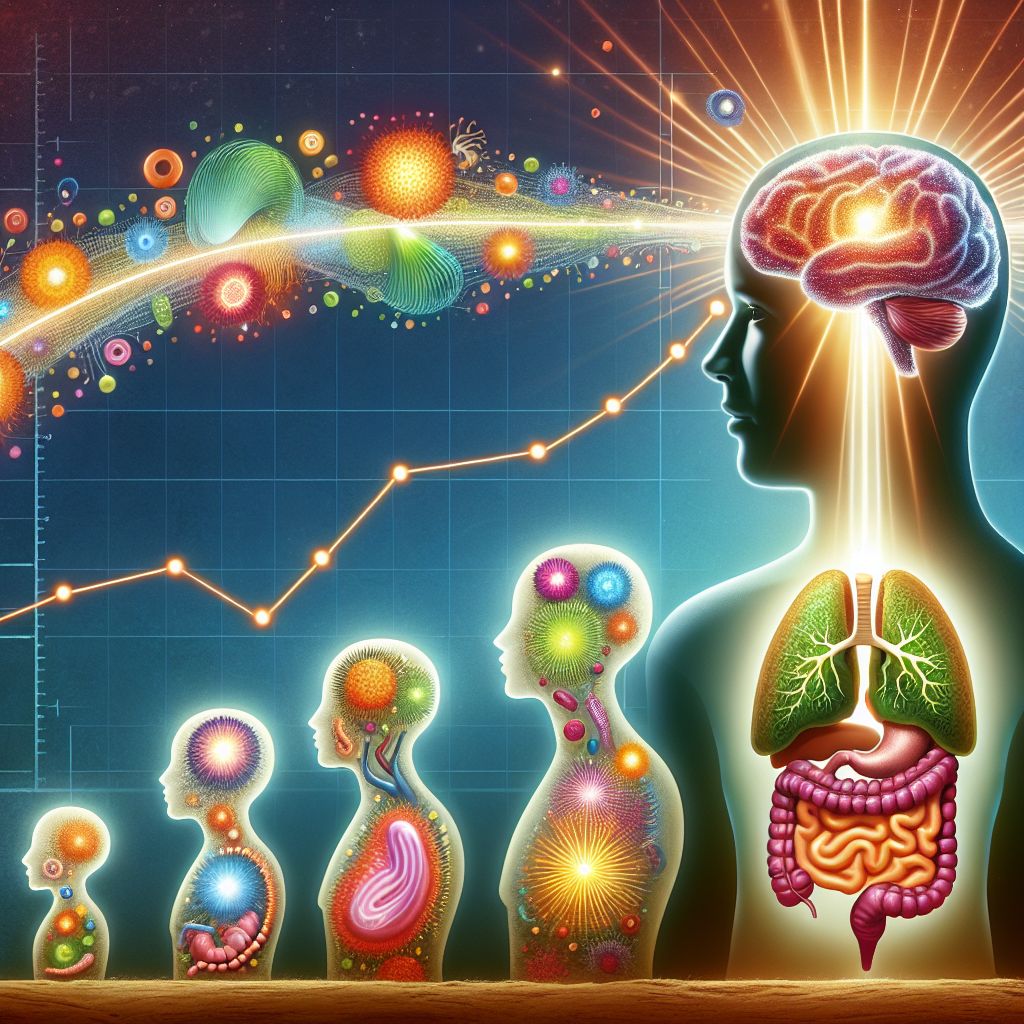
The Intricate Connection Between the Gut Biome and Brain Development
For over four decades, I’ve watched young minds grow and develop, and I’ve seen firsthand the profound impact of the gut biome on children’s cognitive abilities. The gut-brain axis, a complex communication network linking the gut and the brain, is crucial for developing key cognitive functions. It’s a partnership where the state of the gut can influence mood, learning, and even IQ.
When we talk about a ‘healthy gut,’ we’re referring to a well-balanced microbial environment where beneficial bacteria thrive. These tiny organisms play a significant role in digesting food, producing vitamins, and protecting against pathogens. Most importantly, they also produce neuroactive substances that communicate with the brain, affecting behavior and cognitive development.
Understanding the Gut-Brain Axis
Imagine a busy highway where messages are constantly being sent between the gut and the brain. This highway is the gut-brain axis, and it’s buzzing with signals that help regulate emotions, appetite, and even how well we think. The gut micro biome sends chemical messages to the brain via the vagus nerve, immune system, and direct hormone production, influencing brain function and development.
How Probiotics Play a Role in Brain Health
Probiotics, often referred to as ‘good bacteria,’ are allies in maintaining a healthy gut biome. They help balance the gut’s microbial community, which is especially important for children as their brains are still developing. By supporting a healthy gut environment, probiotics contribute to better cognitive outcomes, such as improved memory and problem-solving skills.
Here’s how probiotics make a difference:
-
They can reduce inflammation, which is linked to various cognitive disorders.
-
Probiotics help maintain the integrity of the gut barrier, preventing harmful substances from entering the bloodstream and potentially affecting the brain.
-
They influence the production of neurotransmitters like serotonin, which is mostly made in the gut and is key to regulating mood and cognition.
Therefore, including probiotic-rich foods like yogurt, kefir, and fermented vegetables in a child’s diet can support their brain development and cognitive abilities.
Impact of Dysbiosis on Neurodevelopment
Dysbiosis, an imbalance in the gut micro biome, can have serious implications for a child’s developing brain. An unhealthy gut can lead to a weakened immune response, chronic inflammation, and even altered brain function. Conditions such as ADHD, autism, and learning disabilities have been linked to gut health, highlighting the importance of a balanced microbiome for neurodevelopment.
Because of this, it’s essential to foster a robust gut environment from a young age. This can be achieved through diet, lifestyle, and when necessary, with the guidance of a healthcare professional, probiotic supplements.
Key Nutrients for a Healthy Gut and Smart Brain
Nutrients play a pivotal role in the development of a child’s brain and the maintenance of a healthy gut biome. Essential fatty acids, such as omega-3s found in fish, are critical for brain function and the growth of brain cells. Prebiotic fibers from fruits, vegetables, and whole grains nourish good bacteria in the gut. Vitamins and minerals like B vitamins, vitamin D, iron, and zinc support the nervous system and cognitive development. By ensuring your child receives these key nutrients, you’re setting the stage for a smarter, healthier brain.
The Downside of Processed Foods on Mental Clarity
Processed foods are often loaded with additives, preservatives, and artificial colors that can disrupt the delicate balance of the gut microbiome. These substances can lead to inflammation, which is detrimental to brain health and can cloud mental clarity. Besides that, the high sugar content commonly found in processed foods can cause spikes in blood sugar levels, affecting mood and concentration. It’s crucial to limit these foods in your child’s diet to promote optimal brain function.
Eating for IQ: Foods That Boost Brain Power
Choosing the right foods can be a game-changer for your child’s cognitive abilities. Foods rich in antioxidants, such as berries, protect the brain from oxidative stress. Leafy greens and nuts are packed with vitamins and minerals that support brain health. Lean proteins provide the amino acids necessary for neurotransmitter function, which is essential for learning and memory. Including these brain-boosting foods in your child’s diet can enhance their IQ and overall brain function.
Practical Strategies for Protecting Your Child’s Gut Biome
As a family doctor, I can’t stress enough the importance of a healthy gut biome for a child’s overall well-being and cognitive development. One practical strategy is to encourage diverse dietary habits. A variety of foods ensures a range of nutrients and promotes a diverse microbiome, which is associated with better health outcomes. Organic foods produce much less chemical challenge to the gut.
Another strategy is to minimize antibiotic use unless absolutely necessary. Antibiotics can wipe out good bacteria along with the bad, potentially leading to an imbalance in the gut microbiome. Always discuss the necessity and duration of antibiotic use with your healthcare provider.
Creating a Gut-Friendly Diet for Your Child
A gut-friendly diet is rich in fiber, low in sugar, and full of whole foods. Start by incorporating plenty of fruits, vegetables, and healthy fats and animal proteins from range fed animals. These foods provide the fiber that good bacteria thrive on or the key nutrients they need. Fermented foods like yogurt and kefir are also excellent as they contain live cultures of beneficial bacteria. Keep processed foods to a minimum, as they can disrupt the gut environment.
Here’s a simple guide to follow: Discover strategies for a joyful and happy child.
-
Include a fruit or vegetable at every meal.
-
Choose whole organic grains over refined grains.
-
Offer a variety of proteins, including plant-based options like beans and lentils but mainly animal based proteins with healthy fats.
-
Introduce fermented foods gradually to allow your child’s palate to adjust.
The Importance of Early Microbiome Establishment
The foundation of a child’s gut microbiome is laid early in life, and it’s a crucial period for establishing a healthy gut that supports brain development. Breastfeeding, if possible, is an excellent way to start as breast milk contains prebiotics that promote the growth of healthy bacteria. As children grow, exposure to a variety of foods and environments can help to diversify their microbiome, which is linked to better health and cognitive outcomes.
Supplements and Probiotics: Are They Necessary?
While a balanced diet is the best way to ensure a healthy gut biome, there are situations where supplements and probiotics may be beneficial. If a child has been on antibiotics or has digestive issues, a probiotic supplement can help to restore the balance of good bacteria but probiotic rich fermenting foods are more effective. Always choose high-quality supplements and seek advice from a healthcare provider to ensure they’re appropriate for your child’s needs.
Can Chemicals Really Interfere With Your Child’s Brain Development?
As we delve into the chemical aspect of our environments, it’s becoming increasingly clear that certain chemicals can have a profound impact on a child’s brain development. These chemicals can be found in food, cleaning products, personal care items, and even toys. It’s vital to be aware of these potential hazards and take steps to minimize exposure. Also, medical treatments that are injections provide many chemicals that bypass the body’s natural protection system, the gut.
Endocrine disruptors, for example, can interfere with hormone function and are linked to developmental and cognitive issues. Heavy metals like lead and mercury, often found in contaminated water or certain types of fish, can be toxic to the brain and hinder cognitive development. By being vigilant and informed, parents can take proactive steps to protect their children’s health and cognitive growth, such as understanding how cleaning products affect the health of your child.
Understanding Endocrine Disruptors and Brain Function
Endocrine disruptors are chemicals that can mimic or interfere with the body’s hormones. They’re found in many everyday products, including plastics, cosmetics, and pesticides. These disruptors can lead to developmental, reproductive, and neurological problems. It’s essential to limit exposure by choosing BPA-free products, using natural cleaning and personal care products, and opting for organic produce when possible.
Correlation Between Antibiotics Exposure and Behavioral Changes
While antibiotics are life-saving medications, their overuse can lead to changes in the gut microbiome that are associated with behavioral issues. Studies have shown a correlation between early antibiotic use and the development of conditions like ADHD and anxiety. This doesn’t mean antibiotics should be avoided entirely, but they should be used judiciously and always under the guidance of a healthcare professional.
Detoxifying Your Child’s Diet for Optimal Development
Detoxifying your child’s diet starts with reducing the intake of processed foods and sugars, which can lead to inflammation and a disrupted gut biome. Instead, focus on whole foods that are rich in nutrients and antioxidants. Encourage your child to drink plenty of water, as hydration is key to flushing out toxins. Lastly, choose organic foods when possible to reduce exposure to pesticides and chemicals that can be harmful to your child’s developing brain.
Remember, building a healthy brain is a journey that starts with the gut. By making informed choices about your child’s diet and environment, you can provide them with the best foundation for cognitive growth and a high IQ.
Key Takeaways
-
Understanding the gut-brain connection is essential for promoting cognitive growth in children.
-
Including probiotic-rich foods in your child’s diet can support brain health and cognitive development.
-
Limiting exposure to heavy metals, preservatives, and pesticides is crucial for protecting a child’s brain.
-
A diet rich in essential nutrients like omega-3s, vitamins, and minerals can enhance a child’s IQ.
-
Early establishment of a healthy gut biome is vital, with breastfeeding playing a key role.
Frequently Asked Questions
Many parents are curious about how they can influence their child’s cognitive development through diet and lifestyle choices. Here are some common questions I receive:
Q: Can the foods my child eats really make a difference in their brain development?
A: Absolutely. The brain is an organ that’s heavily influenced by nutrition, and certain foods can enhance cognitive function and support a healthy gut biome. There are more than 50 key nutrients that every cell needs. That includes your brain cells.
Let’s delve into some specific questions to give you a clearer picture of how you can support your child’s cognitive growth.
How Does the Gut Biome Influence a Child’s IQ?
The gut biome, with its trillions of bacteria, plays a pivotal role in brain health. These microbes produce neurotransmitters, influence inflammation, and help manage stress—all of which can impact cognitive abilities. A diverse and balanced gut microbiome can support better learning, memory, and emotional regulation, which are all components of a higher IQ.
What Are the Signs of an Unhealthy Gut Biome in Children?
An unhealthy gut biome in children can manifest as digestive issues, food sensitivities, mood swings, and even trouble concentrating or learning or sleeping. If your child is experiencing these symptoms, it may be a sign that their gut health needs attention.
Can Improving Gut Health Reverse Damage from Toxins?
Improving gut health can mitigate some of the impacts of toxin exposure. A strong, balanced gut microbiome can help protect the body from the harmful effects of chemicals and heavy metals, supporting the body’s natural detoxification processes. While it may not reverse all damage, it’s a significant step in the right direction for brain health.
Example: A study showed that children with higher levels of certain gut bacteria had better cognitive and language skills. This suggests that fostering a healthy gut microbiome could have a positive impact on brain development.
Now, let’s explore some proactive steps you can take to support your child’s gut health from an early age.
What Age Should I Start Focusing on My Child’s Gut Health?
The earlier, the better. Day 1. The establishment of a healthy gut biome begins at birth and continues to develop over the first few years of life. Breastfeeding, introducing a variety of foods, and limiting unnecessary antibiotics can all contribute to a healthy gut microbiome, setting the stage for optimal brain development.
Are There Any Foods That Are Particularly Beneficial for Young Brains?
Yes, there are several foods that are especially good for developing brains:
-
Fatty fish, like salmon, are rich in omega-3 fatty acids, which are crucial for brain health.
-
Berries contain antioxidants that protect the brain from oxidative stress.
-
Leafy greens provide folate, which is essential for brain function.
-
Nuts and seeds are packed with vitamin E, which can help prevent cognitive decline. More importantly they have the essential fatty acid, ALA which most people are deficient in.
Incorporating these foods into your child’s diet can contribute to a healthy gut biome and, in turn, a smarter, more focused brain. Remember, a healthy diet, rich in variety and whole foods, is one of the best gifts you can give to your child’s developing mind.
In conclusion, the connection between a healthy gut biome and a child’s IQ is undeniable. By focusing on nutrition, minimizing exposure to harmful chemicals, and understanding the importance of the gut-brain axis, you can lay the groundwork for your child’s cognitive success. This means you’re laying the foundation for their future creativity and also their happiness. Nurturing the gut biome with the right foods and habits is a powerful way to boost brain health and enhance your child’s IQ, setting them up for a brighter future.
Stanley Lang, M.D. has been in active medical practice since 1978. He has been a family physician during these years with detailed experience in all age groups including delivering babies for several years. He has been a pioneer in developing models of wholistic health care that bring health to the whole person. He has particularly focussed on reversing Chronic Stress effects on the body. He is the creator of the Shalom Method for Wholistic Health, and he has created several online programs that allow patients to naturally self manage their problems including “The Natural Lyme disease Treatment Program”, the “Menopause Balancing Program”, “The Happy Healthy Child” program plus many others.
Improving Children’s Concentration & Brain Health – Equazen Global
It supports healthy immunity, is important for nerves, muscles and the heart, an…
Boosting your child’s IQ – Amman
Aug 13, 2018 — Providing the right healthy fats and the needed nutrients for mak…
Feeding the brain and nurturing the mind: Linking nutrition and the gut …
by MS Goyal · 2015 · Cited by 154 — A corollary is that adequate brain nutrition…




Leave a Reply