

Key Takeaways
-
Children are susceptible to Lyme disease and can develop chronic conditions if not properly treated.
-
Common symptoms include fever, headache, fatigue, and a distinct skin rash called erythema migrans.
-
Lyme disease is transmitted through the bites of infected blacklegged or deer ticks.
-
Diagnosis is typically based on symptoms and history of tick bites, with blood tests confirming the infection although the blood test is not very accurate.
-
A majority of children recover within six months of antibiotic treatment, but some experience long-term symptoms.
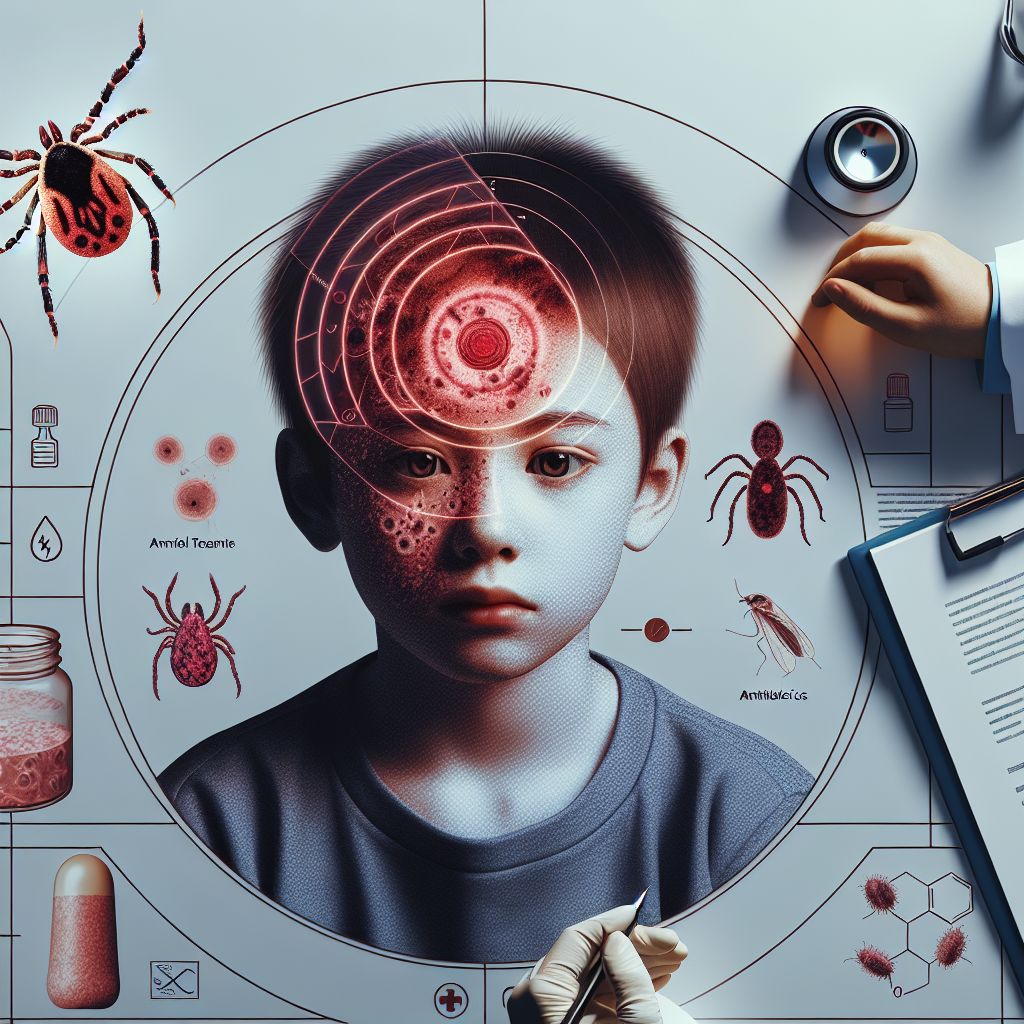
Children Do Get Lyme Disease and Are at Great Risk for Chronic Disease
As a medical doctor with over 40 years of experience treating children, I can confidently say that Lyme disease is a significant concern for young patients. The risk of developing chronic Lyme disease is particularly alarming, as it can lead to long-term health complications. Understanding the symptoms, transmission, and diagnosis of Lyme disease in children is crucial for early intervention and effective treatment.
Common Symptoms in Children
Lyme disease manifests no differently in children compared to adults. The early symptoms can be subtle but should not be overlooked. Typically, symptoms appear within 3 to 30 days after a tick bite. Common signs include:
-
Fever
-
Headache
-
Fatigue
-
Erythema migrans (a distinct skin rash)
Early detection is key to preventing the progression of the disease. If your child exhibits any of these symptoms, especially after a tick bite, it’s essential to seek medical attention promptly. Learn more about Lyme disease and ADHD in children.
Transmission and Risk Factors
Lyme disease is primarily transmitted through the bites of infected blacklegged or deer ticks. Children between the ages of 5 and 9 are particularly vulnerable due to their outdoor activities and proximity to wooded or grassy areas where ticks thrive. To reduce the risk of transmission, consider the following precautions:
-
Encourage children to wear long sleeves and pants when playing in tick-prone areas.
-
Use tick repellents that contain DEET or permethrin on clothing and exposed skin although some more committed to natural solutions prefer plant oils that have been proven to be effective repellants.
-
Conduct thorough tick checks after outdoor activities, focusing on hidden areas like the scalp, behind the ears, and under the arms.
-
Drinking Cistus tea on a regular basis will make one less likely to be bitten by a tick.
By taking these preventive measures, you can significantly reduce the likelihood of tick bites and subsequent Lyme disease infection.
Diagnosing Lyme Disease in Children
Diagnosing Lyme disease in children involves a combination of clinical evaluation and laboratory tests. A healthcare provider will assess your child’s symptoms and medical history, paying particular attention to recent tick bites. Blood tests, such as the enzyme-linked immunosorbent assay (ELISA) and Western blot, can confirm the presence of antibodies against the Lyme disease bacterium. Unfortunately the tests may be negative in the face to worrisome symptoms. I am among many doctors who treat the symptoms and not the test.
Early-stage Lyme disease is easier to diagnose and treat. Therefore, timely medical intervention is crucial to prevent the development of chronic Lyme disease, which can have more severe and long-lasting effects on a child’s health.
The Majority of Parents Said Their Children Were Recovered After 6 Months After Treatment
The majority of parents said their children were recovered after 6 months after treatment. However this statistic is overly optimistic as I have seen patients have recurrent symptoms months or years after the initial infection. For those concerned about related issues that signal a progression to chronic disease, it’s important to understand if your child’s ADHD is being caused by Lyme disease
Overview of Treatment Options
Lyme disease is typically treated with a course of antibiotics. Early-stage Lyme disease responds well to oral antibiotics such as doxycycline, amoxicillin, or cefuroxime. The treatment duration usually ranges from 10 to 21 days, depending on the severity of the infection. Doxycycline can’t be used in children whose teeth are still developing.
For children with more advanced or disseminated Lyme disease, intravenous antibiotics may be necessary. This approach is more intensive but can effectively target the bacteria and alleviate severe symptoms. This approach is rarely needed.
Post-Treatment Recovery Rates
Understanding the impact of chronic stress on children is crucial when evaluating post-treatment recovery rates for various conditions, including chronic Lyme disease. Stress can significantly affect a child’s ability to recover, making it essential to consider both physical and emotional factors in their treatment plan.
While most children recover within six months of completing antibiotic treatment, that leaves a very large number to experience lingering symptoms. These can include ongoing muscle and nerve pain, fatigue, and cognitive difficulties. The exact cause of these persistent symptoms is not fully understood, but they are often referred to as post-treatment Lyme disease syndrome (PTLDS). This is a pretend diagnosis in my opinion and I think that these kids are still infected and that they were not treated long enough in the first place.
In the aforementioned study, it was found that:
“A majority of parents of children diagnosed with Lyme disease reported that their kids recovered within six months of completing antibiotic treatment.”
However, it’s important to note that “a majority” means just over 50%, indicating that a significant number of children may still suffer from chronic symptoms.
Chronic Lyme disease can indeed affect children, leading to a variety of symptoms that can impact their daily lives. It is crucial for parents to be aware of the signs and seek medical attention if they suspect their child might be affected. For more detailed information, you can read about Lyme disease in children and understand the necessary steps for diagnosis and treatment.
The Minority That Aren’t Recovered Have Chronic Disease
While the majority of children recover from Lyme disease within six months of treatment, a significant minority do not. These children often develop what is known as chronic Lyme disease. This condition can be debilitating and affect a child’s quality of life for years.
Understanding Chronic Lyme Disease
Chronic Lyme disease can have various effects on children, including symptoms that may be mistaken for other conditions. For instance, some children diagnosed with ADHD might actually be suffering from Lyme disease. To learn more about this, check out this article on ADHD and Lyme disease.
Chronic Lyme disease is a complex and often misunderstood condition. It occurs when symptoms persist for more than six months after completing the standard antibiotic treatment for Lyme disease. The exact cause of chronic Lyme disease is not fully understood, but it is believed to be related to:
-
Persistent infection: Some researchers believe that the Lyme bacteria can evade the immune system and continue to cause symptoms.
-
Autoimmune response: The infection may trigger an autoimmune response, where the body’s immune system attacks its own tissues.
-
Inflammation: Chronic inflammation resulting from the infection can lead to ongoing symptoms.
Regardless of the underlying cause, the impact on a child’s health can be profound. Chronic Lyme disease requires careful management and a comprehensive treatment approach. Learn more about the effects of Lyme disease on children. The reason I think that it is related to persistent infection is that 100% of the patients I treat with natural strategies have improvement in their symptoms.
Symptoms of Chronic Lyme in Children
Children suffering from chronic Lyme disease may experience a range of symptoms including fatigue, joint pain, and cognitive difficulties. For more detailed information on this condition, you can read about Lyme disease in children.
Children with chronic Lyme disease may experience a wide range of symptoms that can vary in severity. Common symptoms include:
-
Persistent fatigue
-
Muscle and joint pain
-
Headaches
-
Sleep disturbances
-
Cognitive difficulties, such as memory problems and difficulty concentrating
-
Neurological symptoms, including tingling or numbness in the extremities
These symptoms can significantly impact a child’s daily life, affecting their ability to attend school, participate in activities, and maintain social relationships. It’s essential for parents and caregivers to recognize these signs and seek appropriate medical care.
Long-Term Health Implications
Chronic Lyme disease can have long-term health implications for children. Besides the immediate physical symptoms, the condition can also lead to emotional and psychological challenges. Children with chronic Lyme disease may experience anxiety, depression, and feelings of isolation due to their prolonged illness. And it is important to treat the condition correctly or the emotional issues will not resolve.
Moreover, the ongoing symptoms can hinder a child’s academic performance and social development. Therefore, it is crucial to address both the physical and emotional aspects of the disease to support a child’s overall well-being.
That Number May Be Pretty High Since a “Majority” is Only 51%
The term “majority” implies that over half of the children recover within six months, but that might be just over half leaving a substantial number who do not. This statistic underscores the need for greater awareness and understanding of chronic Lyme disease in children. The actual number of children suffering from long-term symptoms may be higher than previously thought.
“A majority of parents of children diagnosed with Lyme disease reported that their kids recovered within six months of completing antibiotic treatment, according to a new joint study from Children’s National Research Institute and the National Institute of Allergy and Infectious Diseases.”
It’s important to recognize that even a small percentage of children experiencing chronic symptoms represents a significant public health concern. More research is needed to understand the factors that contribute to chronic Lyme disease and to develop effective treatments.
Prevalence and Statistics
According to Cedars-Sinai, Lyme disease is a significant concern for children, with various studies indicating its prevalence in pediatric populations. Understanding the statistics and impact of Lyme disease on children is crucial for early diagnosis and effective treatment.
Understanding the prevalence of chronic Lyme disease in children is essential for addressing the issue effectively. Current statistics indicate that:
-
Approximately 476,000 cases of Lyme disease are diagnosed and treated annually in the United States.
-
Children between the ages of 5 and 9 years account for a large proportion of these cases.
-
While most children recover within six months, a notable percentage experience long-term symptoms.
These statistics highlight the need for increased awareness, better diagnostic tools, and more research into effective treatments for chronic Lyme disease in children. By understanding the scope of the problem, we can take steps to improve outcomes for affected children and their families.
Factors Influencing Recovery Rates
Several factors can influence a child’s recovery rate from Lyme disease. These include:
-
Timeliness of Treatment: Early detection and prompt antibiotic treatment are crucial for a swift recovery. Delayed treatment can increase the risk of chronic symptoms.
-
Severity of Infection: The severity and stage of the Lyme disease infection at the time of diagnosis can impact recovery. Early-stage Lyme disease is more easily treated than late-stage disease.
-
Individual Health Factors: A child’s overall health, immune system strength, and presence of co-infections can affect recovery. Children with weakened immune systems or other health conditions may have a longer recovery period.
Understanding these factors can help parents and healthcare providers tailor treatment plans to each child’s specific needs, improving the likelihood of a full recovery.
Frequently Asked Questions (FAQ)
How is Lyme disease transmitted?
Lyme disease is primarily transmitted through the bite of infected black-legged ticks, also known as deer ticks. These ticks can attach to any part of the human body but are often found in hard-to-see areas such as the groin, armpits, and scalp. It is important to be aware of the symptoms and seek medical attention if you suspect you have been bitten.
What are the early signs of Lyme disease in children?
Early signs of Lyme disease in children include fever, headache, fatigue, and a distinct skin rash called erythema migrans. The rash often appears as a red, expanding bull’s-eye pattern. Symptoms usually appear within 3 to 30 days after a tick bite.
Can chronic Lyme disease be cured?
Chronic Lyme disease is challenging to cure completely. While some children may experience improvement with long-term treatment, others may continue to have persistent symptoms. In my experience it is connected to how comprehensive the natural strategies are. In the program “The Natural Lyme Disease Treatment Program”, areas involving every aspect of lifestyle are addressed.
What should I do if my child’s symptoms persist?
If your child’s symptoms persist after completing antibiotic treatment, it’s important to consult with a healthcare provider experienced in treating Lyme disease. They may recommend additional tests, alternative treatments, or referrals to specialists.
Addressing persistent symptoms early and comprehensively can help improve your child’s overall well-being and quality of life.
In conclusion, children can indeed suffer from chronic Lyme disease, and early detection and treatment are critical to preventing long-term complications. While most children recover within six months, a significant minority may experience persistent symptoms. By understanding the symptoms, transmission, and treatment options, parents and caregivers can take proactive steps to protect their children’s health and well-being.
Lyme Disease in Children
Symptoms can occur a bit differently in each child. They usually appear within 3…
Study Shows Most Children Recover from Lyme Disease within Six …
Apr 20, 2023 — A majority of parents of children diagnosed with Lyme disease rep…
Lyme Disease in Kids: Signs, Symptoms, Treatment …
May 22, 2023 — Lyme disease is common in kids and adults. Read how to spot the s…
Stanley Lang, M.D. has been in active medical practice since 1978. He has been a family physician during these years with detailed experience in all age groups including delivering babies for several years. He has been a pioneer in developing models of wholistic health care that bring health to the whole person. He has particularly focussed on reversing Chronic Stress effects on the body. He is the creator of the Shalom Method for Wholistic Health, and he has created several online programs that allow patients to naturally self manage their problems including “The Natural Lyme disease Treatment Program”, the “Menopause Balancing Program”, “The Happy Healthy Child” program plus many others.




Leave a Reply