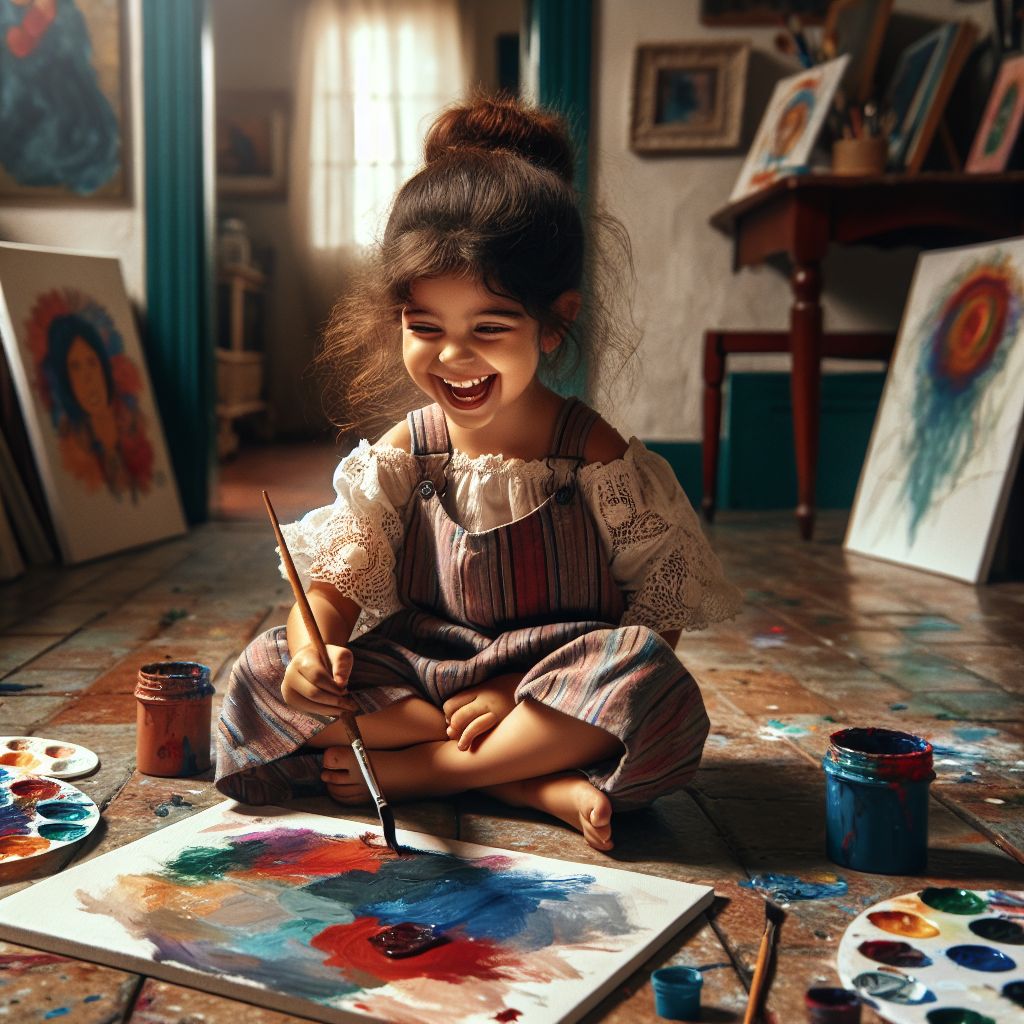
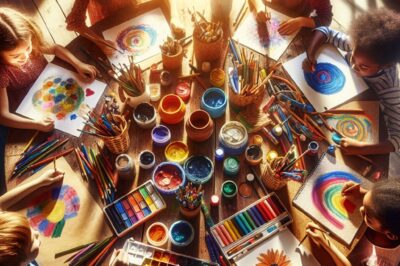
As a family doctor who has nurtured the growth and well-being of children for over four decades, I’ve seen firsthand the transformative power of art. Painting and drawing are not just hobbies; they are vital tools for self-expression and personal development. In my practice, I encourage young minds to pick up a brush or pencil, not only to have fun but to build their self-esteem and happiness. Let’s explore the myriad benefits these artistic activities offer.
Key Takeaways
-
Artistic expression through painting and drawing can significantly boost a child’s self-esteem and happiness.
-
Engaging in art from a young age fosters creativity, improves motor skills, and enhances problem-solving abilities.
-
Art is portable and accessible, allowing children to create whenever inspiration strikes.
-
Painting and drawing provide a quiet, meditative space for children, which can be beneficial for their mental health.
-
With a variety of mediums and techniques available, art offers endless possibilities for exploration and learning.
Unleashing Creativity with Painting and Drawing
One of the most beautiful aspects of painting and drawing is their ability to unlock the boundless imagination of a child. When a child picks up a paintbrush or a colored pencil, they are not just making marks on paper; they are communicating their innermost thoughts and feelings. This form of non-verbal communication is especially important in early childhood when verbal skills are still developing.
Benefits of Portability in Art
One of the great advantages of painting and drawing is their portability. Unlike some other forms of artistic expression, such as sculpture or large-scale installations, a sketchpad and a set of paints can be taken almost anywhere. This means that children can engage with their creative pursuits whether they’re at home, in the park, or on vacation. It allows them to capture the world as they see it, in the moment, which is a precious gift.
Moreover, the simplicity of materials needed for painting and drawing makes these activities highly accessible. A pencil and paper are all it takes to get started, making art a democratic form of expression open to all, regardless of socioeconomic status.
The Quiet Solitude of Painting
There’s a meditative quality to painting that is often missing in the days of our children. It’s a quiet activity that allows children to focus, to be present in the moment, and to channel their energy into something positive. This solitude is not about loneliness but about finding peace and calm in the act of creation. It’s a time for reflection and personal growth, which can be incredibly therapeutic.
Comparing this to the more dynamic and sometimes noisy world of music practice, painting and drawing offer a serene alternative. While music requires a space where one can make noise without constraints, painting only asks for a corner where one can be still with their thoughts.
Therefore, I advise parents to provide a quiet corner for their children to paint or draw. This dedicated space need not be large or elaborate, just a tranquil spot where a young artist can spread their wings in peace.
Now, let’s dive deeper into how we can inspire our young ones to embrace the canvas and let their imaginations soar.
Inspiring Young Minds Through Color and Expression
Introducing children to the world of painting and drawing is not merely about giving them something to do. It’s about opening doors to new ways of seeing the world. Children who engage in artistic activities often develop a keen eye for detail and a deep appreciation for the beauty around them.
When I talk to young patients and their parents, I emphasize the importance of creating an environment that encourages artistic expression. This means having materials readily available and displaying children’s artwork proudly. It’s a simple gesture, but it sends a powerful message: their work is valued.
Introducing Children to Painting and Drawing
To get children excited about art, start by introducing them to a variety of materials. Let them experiment with watercolors, finger paints, crayons, and charcoal. Show them that there are no limits to what they can create. And most importantly, make it fun! Art should never feel like a chore; it should be an adventure.
Here are a few tips to help nurture a child’s artistic talents:
-
Encourage exploration by providing a range of materials and letting them discover their favorites.
-
Display their artwork to boost their confidence and show that you value their creative efforts.
-
Set aside regular time for art activities to help them develop a habit of creating.
-
Join in on the fun! Children love when adults participate and it can be a bonding experience.
Remember, the goal is not to create a masterpiece, but to enjoy the process of making art. It’s about the strokes, the colors, and the joy that comes from creating something uniquely their own. For more insights on nurturing your child’s creativity, check out these strategies for joyful kids.
Educational Benefits of Art for Kids
Art isn’t just about self-expression; it’s also a valuable educational tool. Studies have shown that children who engage in regular artistic activities tend to perform better academically. They develop fine motor skills as they learn to control brushes and pencils, and their cognitive abilities are enhanced through problem-solving and decision-making involved in creating art.
But perhaps the most significant educational benefit of art is the development of critical thinking. When children evaluate their work, they learn to critique constructively and to appreciate the process of improvement. This critical eye is not limited to their art; it extends to all areas of their lives, fostering a mindset geared towards growth and learning.
So, let’s not underestimate the power of a simple drawing or painting. It’s not just child’s play; it’s a foundation for a lifetime of learning and happiness. And now, if you’re curious to learn more about how you can further support your child’s artistic journey, I invite you to explore further.
Comparing the ability to be quietly creative with Painting to needing a special place you can make noise for Music Practices
In my many years of practice, I’ve seen the challenge parents face when trying to accommodate their child’s musical aspirations. Music, while a fantastic form of expression, often requires a designated space where volume isn’t a concern. Painting and drawing, on the other hand, offer a quieter form of creativity. They allow children to immerse themselves in their art without the need for soundproof rooms or special equipment. This makes visual arts a more versatile option for families living in close quarters or for those who prefer a more tranquil home environment.
Inspiring Young Minds Through Color and Expression
The first time a child’s eyes light up at the sight of a rainbow of paint colors is something magical. It’s a moment of pure potential, where the blank canvas before them could turn into anything. This is where we, as caretakers and educators, have the opportunity to inspire. We can teach children to mix colors, show them how to hold a brush, and guide their hands as they make their first tentative strokes. But more importantly, we can encourage them to express themselves freely and to find joy in every splash of color.
Introducing Children to Painting and Drawing
Introducing children to painting and drawing can be as simple as setting out supplies and letting them explore. However, to truly engage them, we should strive to make art relatable. Start by connecting art to their interests. If they love the outdoors, suggest they paint a scene from nature. If they’re fascinated by animals, provide pictures of wildlife as inspiration. It’s about making art relevant to their world.
Next, guide them through the basics. Show them how to use different brushes for different effects, how to blend colors to create new hues, and how to care for their tools. This foundational knowledge gives them the confidence to experiment on their own.
Finally, be their biggest cheerleader. Celebrate their creations, regardless of how they turn out. The goal is to build their self-esteem and to associate art with positive experiences. This encouragement will keep them coming back to the canvas, eager to explore and create.
Educational Benefits of Art for Kids
As a family doctor, I’ve observed the role of art in cognitive development and academic achievement. When children engage in painting and drawing, they’re not just having fun—they’re learning. They’re developing hand-eye coordination, honing fine motor skills, and discovering new ways to communicate. Art also teaches patience and concentration as children work to perfect their strokes and bring their visions to life.
Additionally, art education fosters an environment where children can learn to think critically and solve problems creatively. When faced with artistic challenges, such as how to depict a certain texture or emotion, children learn to think outside the box and find innovative solutions. These skills are invaluable and carry over into other academic subjects and life situations.
FAQs
Over the years, I’ve encountered many questions from curious parents and budding artists alike. Here are some of the most common queries: For more insights into nurturing your child’s creativity, explore our article on the creative lifestyle and how children can tap into their creative gifts.
Can Painting Be Self-Taught or Should I Take Classes?
While formal art classes can provide structured learning and expert guidance, painting and drawing are certainly activities that can be self-taught. There are countless resources available—books, online tutorials, and videos—that can help artists of all ages develop their skills. However, ultimately, investing in lessons is a good investment.
Do I need an in-person teacher or is online education OK?
In today’s digital age, online education has become a viable option for learning art. It offers flexibility and access to a wide range of instructors and styles. However, in-person classes provide the advantage of immediate feedback and the opportunity to interact with peers. The best approach depends on the individual’s learning style and circumstances.
How Can I Overcome Creative Block and Find Inspiration?
Every artist, young or old, encounters creative block at some point. My advice is to change your environment or routine to spark inspiration. This could mean taking a nature walk, visiting a gallery, or even looking at art books. Sometimes, the best way to overcome a block is to step away from the work and return with fresh eyes. Encourage your child to explore different mediums and subjects, as this can also provide a new perspective and reignite their passion for art.
In conclusion, painting and drawing are not just simple pastimes; they are gateways to personal growth and happiness for children. As a family doctor with a long-standing commitment to the holistic development of children, I cannot stress enough the importance of nurturing their creative spirit. So, take this journey with your child, explore the rainbow of possibilities that art offers, and watch as they flourish into confident, creative individuals.
Stanley Lang, M.D. has been in active medical practice since 1978. He has been a family physician during these years with detailed experience in all age groups including delivering babies for several years. He has been a pioneer in developing models of wholistic health care that bring health to the whole person. He has particularly focussed on reversing Chronic Stress effects on the body. He is the creator of the Shalom Method for Wholistic Health, and he has created several online programs that allow patients to naturally self manage their problems including “The Natural Lyme disease Treatment Program”, the “Menopause Balancing Program”, “The Happy Healthy Child” program plus many others.
Artistic Adventures of Tiny Picassos | by Sandra Thomas | Feb, 2024
A well-intentioned art project quickly devolving into a masterpiece of unexpecte…
Rainbow Colours Magic Marbling Acrylic Paint Pack 60ml
Unlike traditional painting, this innovative kit offers a unique technique – pou…
Luna Bean Acrylic Paint Set – Rainbow Paint Colors for Arts and Crafts
WHAT’S INCLUDED – Included in this paint set are 6 acrylic paint colors (red, or…


Leave a Reply