

Key Takeaways
-
Cell phones emit powerful EMF signals that can disrupt your child’s sleep.
-
Even when placed across the room, cell phones can negatively affect brain activity and sleep quality.
-
EMF exposure from cell phones can interfere with the body’s circadian rhythm, making it harder for children to fall and stay asleep.
-
Studies have shown a significant reduction in sleep quality among children who use cell phones before bed.
-
Simple steps like removing electronic devices from the bedroom can greatly improve your child’s sleep.
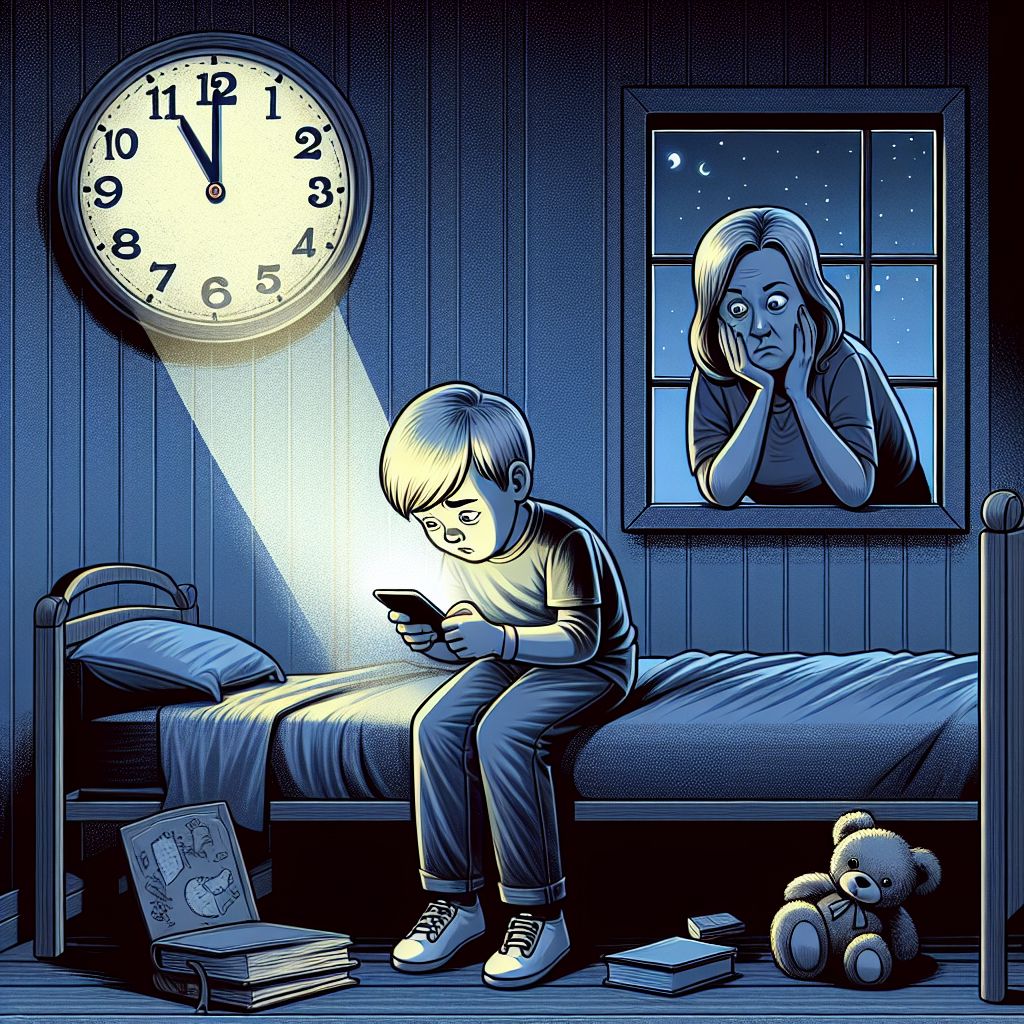
Cell Phones Give Off a Very Powerful EMF Signal That Interferes With the Sleep of Your Child
As a family doctor who has been treating children for over 40 years, I’ve seen firsthand the effects of modern technology on our young ones. One of the most concerning issues is the impact of cell phones on children’s sleep. Cell phones emit powerful electromagnetic field (EMF) signals that can interfere with your child’s sleep, even if the device is on the other side of the room. The sleep is degraded to a more non-restorative type.
Understanding EMF Signals
EMF signals are invisible areas of energy, often referred to as radiation, that are associated with the use of electrical power and various forms of natural and man-made lighting. Cell phones, in particular, emit a type of EMF known as radiofrequency (RF) radiation.
-
RF radiation can penetrate the body and reach the brain, potentially affecting its normal functions.
-
The World Health Organization has classified RF radiation as “possibly carcinogenic to humans.”
-
Children are more susceptible to EMF exposure because their brains and bodies are still developing.
Because of these factors, it’s crucial to understand how EMF signals from cell phones can disrupt your child’s sleep.
How EMF Interferes with Brain Activity
EMF signals can interfere with the brain’s electrical activity, which is essential for regulating sleep. When your child’s brain is exposed to EMF signals, it can disrupt the production of melatonin, a hormone that regulates sleep-wake cycles.
-
Melatonin levels are typically higher at night, helping your child fall and stay asleep.
-
EMF exposure can reduce melatonin production, making it harder for your child to fall asleep.
-
Disrupted melatonin levels can also lead to fragmented sleep, causing your child to wake up frequently during the night.
-
All cells are adversely affected because the EMF affects the electrical system in the cell through it’s affect on calcium channels
Besides that, EMF signals can also cause increased brain activity, making it difficult for your child to relax and enter a restful state. This heightened brain activity can lead to difficulty falling asleep and staying asleep, resulting in poor sleep quality.
Even If It Is On the Other Side of the Room It Has a Powerful Negative Effect on the Brain and Therefore on Sleep
Effect of Distance on EMF Impact
Many parents believe that simply placing the cell phone on the other side of the room will mitigate its harmful effects. However, research has shown that even at a distance, cell phones can still negatively impact your child’s sleep.
-
EMF signals can travel through walls and other obstacles, meaning distance alone may not be enough to reduce exposure.
-
Studies have found that children with cell phones in their bedrooms experience more sleep disturbances compared to those without electronic devices.
-
Even when turned off, cell phones can emit low levels of EMF, which can still affect sleep quality.
Therefore, it’s essential to remove cell phones and other electronic devices from your child’s bedroom to create a healthier sleep environment.
Studies Supporting the EMF Sleep Disruption Theory
Several studies have demonstrated the impact of EMF signals on sleep quality, particularly in children. For example, a study published in the journal “Pediatrics” found that children who used cell phones before bed experienced significantly reduced sleep duration and quality. The study highlighted that even minimal exposure to EMF signals could disrupt the body’s natural sleep patterns.
Another study conducted by the National Institutes of Health (NIH) revealed that children exposed to EMF signals from cell phones had lower levels of melatonin compared to those who were not exposed. This reduction in melatonin production was linked to difficulties in falling asleep and staying asleep, leading to overall poorer sleep quality.
Furthermore, research from the University of California, Berkeley, indicated that children with cell phones in their bedrooms were more likely to suffer from sleep disturbances such as insomnia and frequent nighttime awakenings. The researchers concluded that the presence of cell phones in the sleeping environment could be a significant factor in sleep-related issues among children.
Practical Ways to Mitigate EMF Exposure
To ensure your child gets the best possible sleep, it’s essential to take steps to reduce their exposure to EMF signals. Here are some practical ways to do so:
-
Remove all electronic devices from your child’s bedroom, including cell phones, tablets, and laptops.
-
Encourage your child to turn off their cell phone at least two hours before bedtime to minimize EMF exposure.
-
Use an alarm clock instead of a cell phone to wake your child up in the morning.
-
Consider using EMF shielding products, such as bed canopies or wall paint, to reduce EMF exposure in your child’s bedroom.
-
Educate your child about the importance of good sleep hygiene and the potential risks of EMF exposure.
Long-Term Effects of Poor Sleep in Children
Consistent poor sleep can have long-term consequences on a child’s overall health and well-being. It’s important to understand these potential effects to better appreciate the importance of addressing sleep issues early on.
One of the most concerning long-term effects of poor sleep is its impact on a child’s development. Sleep is crucial for physical growth, brain development, and emotional regulation. Without adequate sleep, children may experience developmental delays and other health issues. For more information on this topic, you can read about healthy sleep habits for children.
Developmental Issues
Poor sleep can hinder a child’s physical and cognitive development. During sleep, the body releases growth hormones that are essential for physical growth and development. Inadequate sleep can disrupt this process, leading to stunted growth and other developmental problems.
Additionally, sleep plays a vital role in brain development. During sleep, the brain processes and consolidates information learned throughout the day. Lack of sleep can impair this process, affecting a child’s ability to learn, retain information, and perform well academically. For more information, you can read about how smart phones affect your child’s sleep.
Behavioral Problems
Children who do not get enough sleep are more likely to exhibit behavioral problems such as irritability, hyperactivity, and difficulty concentrating. These issues can affect their performance in school and their relationships with peers and family members. They may act like they have ADHD when in fact they have a sleep disorder.
Moreover, chronic sleep deprivation has been linked to an increased risk of mental health issues such as anxiety and depression. Ensuring your child gets adequate sleep can help mitigate these risks and promote better emotional well-being. For more information, read about the effect of smart phones on your child’s sleep.
Academic Performance
Sleep is essential for cognitive functions such as memory, attention, and problem-solving. Children who do not get enough sleep may struggle to focus in school, leading to poor academic performance. They may also have difficulty retaining information and performing well on tests and assignments.
Therefore, prioritizing good sleep hygiene and reducing EMF exposure can significantly improve your child’s academic performance and overall success in school.
Creating a Healthier Sleep Environment
To help your child get the best possible sleep, it’s important to create a sleep-friendly environment. Here are some tips to achieve this:
Optimal Bedroom Setup
The bedroom should be a calm and relaxing space that promotes restful sleep. Here are some tips for setting up an optimal sleep environment:
-
Keep the bedroom cool, dark, and quiet.
-
Invest in a comfortable mattress and pillows.
-
Use blackout curtains to block out external light.
-
Minimize noise with a white noise machine or earplugs if necessary.
-
Remove all electronic devices from the bedroom.
Alternatives to Electronic Devices at Night
Instead of using electronic devices before bed, encourage your child to engage in relaxing activities that promote better sleep. Here are some alternatives:
-
Reading a book or listening to an audiobook (not on a wireless device).
-
Practicing prayerful meditation exercises.
-
Engaging in creativity such as drawing or coloring.
-
Listening to calming music or nature sounds.
-
Taking a warm bath or shower before bed.
One of the best ways to ensure your child gets a good night’s sleep is to establish a consistent bedtime routine. A regular routine helps signal to your child’s body that it’s time to wind down and prepare for sleep. Here are some steps to create an effective bedtime routine:
-
Set a consistent bedtime and wake-up time, even on weekends.
-
Engage in calming activities such as reading or listening to soft music before bed.
-
Avoid stimulating activities and electronic devices at least one hour before bedtime.
-
Create a relaxing pre-sleep ritual, such as taking a warm bath or practicing deep breathing exercises.
-
Ensure your child goes to bed feeling calm and relaxed, not stressed or anxious.
FAQs
Can Turning Off the Phone Reduce EMF Exposure?
Yes, turning off the phone can significantly reduce EMF exposure. When a phone is turned off, it stops emitting most radiofrequency radiation, which can help minimize its impact on sleep. However, for maximum benefit, it’s best to remove the phone from the bedroom entirely.
Are Other Electronic Devices Also Harmful in the Bedroom?
Yes, other electronic devices such as tablets, laptops, and even televisions can emit EMF signals and disrupt sleep. It’s a good idea to keep all electronic devices out of the bedroom to create a healthier sleep environment for your child.
What Is a Safe Distance to Keep Phones Away During Sleep?
While there is no universally agreed-upon “safe distance,” keeping cell phones and other electronic devices at least six feet away from the sleeping area can help reduce EMF exposure. However, for the best results, it’s recommended to remove these devices from the bedroom altogether.
-
Place the phone in another room or a designated charging station outside the bedroom.
-
Use airplane mode to minimize EMF emissions if the phone must stay in the room.
-
Consider using an old-fashioned alarm clock instead of a phone to wake up in the morning.
How Can I Explain These Risks to My Child?
It’s important to educate your child about the potential risks of EMF exposure and the importance of good sleep hygiene. Here are some tips for explaining these concepts in a way that your child can understand:
-
Use simple language and relatable examples to explain how EMF signals can affect the brain and sleep.
-
Discuss the benefits of good sleep, such as feeling more energetic, doing better in school, and having a better mood.
-
Involve your child in creating a sleep-friendly environment and establishing a bedtime routine.
-
Encourage your child to ask questions and express any concerns they may have.
-
Lead by example by practicing good sleep hygiene and limiting your own use of electronic devices before bed.
By taking these steps, you can help your child understand the importance of reducing EMF exposure and prioritizing good sleep. This will not only improve their sleep quality but also contribute to their overall health and well-being.
In conclusion, cell phones and other electronic devices can significantly impact your child’s sleep quality due to the EMF signals they emit. By understanding the risks and taking proactive steps to create a healthier sleep environment, you can help your child get the restful sleep they need for optimal growth and development. Remember, a well-rested child is a happier, healthier child.
Stanley Lang, M.D. has been in active medical practice since 1978. He has been a family physician during these years with detailed experience in all age groups including delivering babies for several years. He has been a pioneer in developing models of wholistic health care that bring health to the whole person. He has particularly focussed on reversing Chronic Stress effects on the body. He is the creator of the Shalom Method for Wholistic Health, and he has created several online programs that allow patients to naturally self manage their problems including “The Natural Lyme disease Treatment Program”, the “Menopause Balancing Program”, “The Happy Healthy Child” program plus many others.
Smart Phones’ Effect On Your Child’s Sleep
Jan 16, 2017 — Cindy Gellner says using a mobile device before bed reduces sleep…hive.rochesterregional.org
How Teenage Phone Use Is Affecting Their Sleep | Health Hive
Sep 25, 2023 — One recent study suggests teenagers who are on their phones aroun…
The relationship between smartphone overuse and sleep in …
by SY Kim · 2020 · Cited by 54 — In our study, we identified an association betw…




Leave a Reply