

-
Visceral fat, though hidden, can have significant effects on a child’s well-being.
-
Excess visceral fat is linked to inflammation and may impact brain development.
-
Identifying early signs of visceral fat accumulation is crucial for intervention.
-
Psychological and emotional health can be affected by body image and fat levels.
-
Preventative measures including diet and exercise are key to reducing visceral fat.
The Hidden Dangers of Visceral Fat in Children
When we talk about a healthy weight for our kids, it’s not just about how they look. It’s about what’s happening on the inside, where a type of fat called visceral fat can lurk unseen. Unlike the fat you can pinch, visceral fat wraps around a child’s internal organs and can set off a cascade of health issues. Let’s dive into why this fat is a hidden danger and what we can do about it.
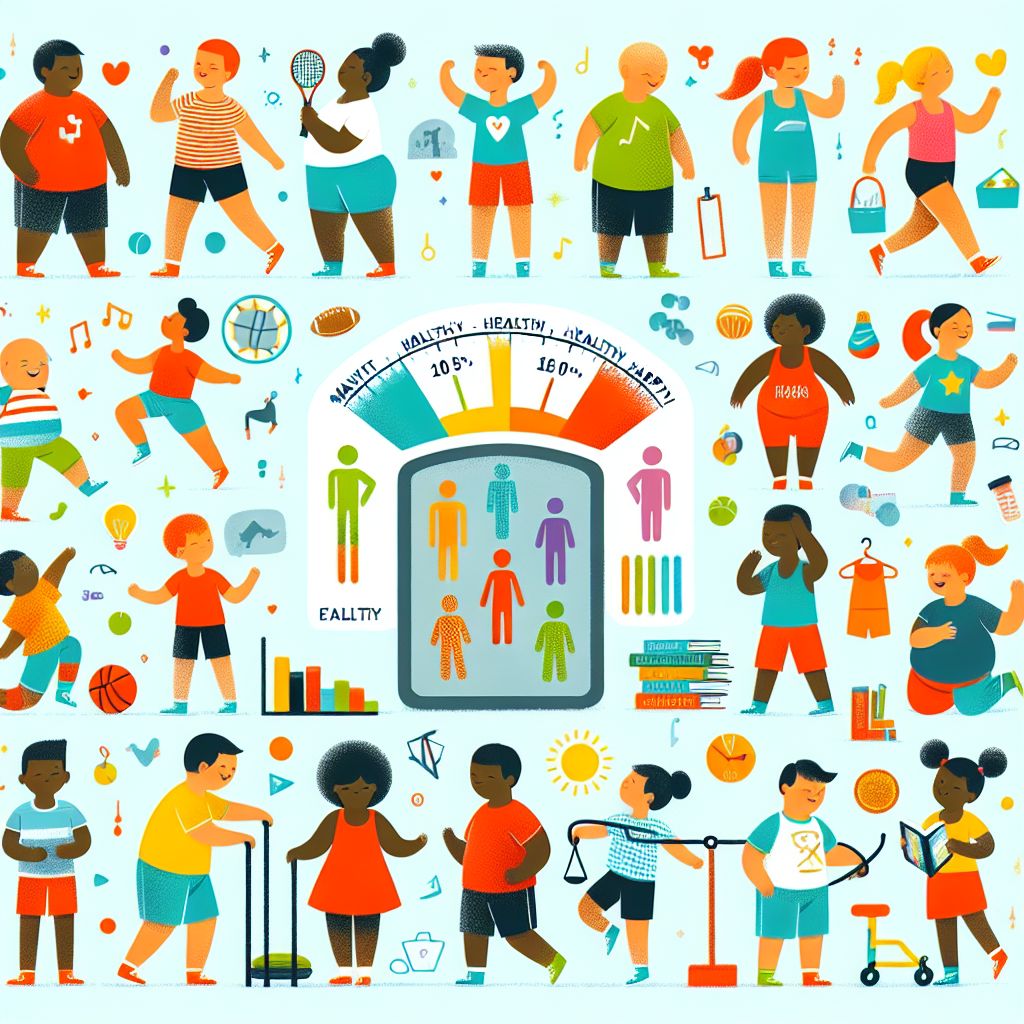
Defining Visceral Fat and Its Stealthy Nature
Imagine an enemy that’s invisible, silently causing harm from the inside. That’s visceral fat. It’s not the fat under the skin that we can see and touch. Instead, it hides deep in the abdomen, wrapping around vital organs like the liver, pancreas, and intestines and the heart. This fat is particularly concerning because it doesn’t just sit there; it actively releases chemicals that can lead to inflammation and other health problems.
Pro-Inflammatory Effects of Excess Visceral Fat
Why should we worry about inflammation? Well, in the short term, it’s the body’s way of protecting itself against illness and injury. But when inflammation is constant, as it can be with too much visceral fat, it’s like having a low-level fire burning all the time. This can damage cells and has been linked to diseases like type 2 diabetes and heart disease – conditions we certainly don’t want our children to face.
Impacts on a Child’s Growing Brain
It’s not just the body that can be affected by excess visceral fat; the developing brain can be vulnerable too. We know that a healthy mind is as important as a healthy body, especially during the critical years of a child’s growth. Inflammation caused by visceral fat can have a knock-on effect on brain development, potentially impacting cognitive abilities and emotional regulation.
Now, let’s talk about how to spot this hidden health hazard before it becomes a bigger problem.
Identifying Visceral Fat Before It’s Too Late
Signs That a Child May Have Excess Visceral Fat
So, how do we know if a child has too much visceral fat? It’s tricky because it’s not always visible. However, a big clue is a waist size that’s larger than normal for their age and height. Also, if a child has a family history of obesity or weight-related health issues, it’s worth being extra vigilant. A pediatrician can use specific tests, like a simple waist measurement or more advanced imaging techniques, to get a clearer picture.
But beyond clinical measures, we should also pay attention to how a child is feeling and acting. Are they more tired than usual? Do they struggle with tasks that require focus and attention? These can be subtle signs that something is not quite right.
-
Keep an eye on waist size relative to a child’s age and height.
-
Consider family history as a potential risk factor.
-
Be mindful of changes in energy levels and concentration, which could indicate health issues.
Understanding the Link Between Abdominal Appearance and Visceral Fat
While a protruding belly might be the most obvious sign, not all children with excess visceral fat will have one. Some might look completely normal on the outside but have a significant amount of this harmful fat on the inside. That’s why it’s essential to look beyond appearances and focus on overall health and lifestyle habits the most apparent being dietary— it is guaranteed that if your child is eating a lot of processed fats, they have a lot of visceral fat.
Now, let’s consider the connection between visceral fat and a child’s happiness – because, after all, we want our kids to not only be healthy but also to feel good about themselves. And from there we we want them to be instramental in creatging the change we want to see.
The Connection Between Visceral Fat and Childhood Happiness
Psychological Effects of Body Image and Fat Accumulation
Imagine for a moment how it feels to be uncomfortable in your own skin. For children who are aware of their body image, excess weight can be a source of stress and unhappiness. It’s not just about the physical discomfort; it’s about how they see themselves and how they believe others see them. This can lead to a lack of confidence and even depression, especially during the turbulent years of adolescence.
As a doctor, I’ve seen firsthand how children’s self-esteem can be tied to their body image. It’s heartbreaking to see a child withdraw from activities they love or avoid social interactions because they’re self-conscious about their weight. That’s why it’s so important to address excess visceral fat – not only for physical health but for emotional well-being too.
It’s clear that the psychological effects of body image and fat accumulation can’t be ignored. But what can we do to help our children feel better about themselves and reduce the risk of visceral fat? Let’s talk about prevention and intervention strategies.
Preventing the Build-Up of Visceral Fat in Kids
Prevention is always better than a cure, and when it comes to visceral fat in children, this couldn’t be truer. The habits that children develop early in life can set the stage for their future health. As parents, caregivers, and educators, we have a golden opportunity to instill healthy habits that can last a lifetime.
Dietary Choices That Minimize Visceral Fat Development
It all starts with what’s on the plate. A balanced diet rich in fruits, vegetables, whole grains, and lean proteins can help keep visceral fat at bay. We want to encourage our kids to enjoy a rainbow of foods, where each color represents different nutrients that their bodies need. It’s also important to limit processed foods and sugary drinks, which can contribute to the build-up of unhealthy fat.
-
Include a variety of fruits and vegetables in meals.
-
Choose whole grains over refined ones.
-
Opt for lean proteins like fish, chicken, or beans.
-
Limit processed snacks and sugary beverages.
Physical Activities That Can Counteract Visceral Fat Accumulation
Another key piece of the puzzle is physical activity. Kids should be moving every day, whether it’s through structured sports, dance classes, or just playing outside. Exercise not only helps burn calories but also builds muscle, which in turn can help keep visceral fat levels down. The goal is to make physical activity a fun and regular part of their daily routine.
But it’s not just about formal exercise. Encouraging children to be active throughout the day – taking the stairs instead of the elevator, walking or biking to school, or having a dance-off in the living room – can all add up to a healthier lifestyle.
Long-Term Health Risks Associated With Visceral Fat in Children
When we look at the big picture, the stakes are high. Visceral fat is not just about today’s health; it’s about setting our kids up for a healthy future. Excess visceral fat in childhood can lead to a higher risk of developing chronic diseases like diabetes, heart disease, and even certain cancers later in life.
How Early Onset of Visceral Fat Relates to Aging Diseases
It’s a bit like a bank account – the earlier you start saving, the more you’ll have down the line. The same goes for health. The earlier children start accumulating visceral fat, the more they may have to ‘withdraw’ from their health ‘account’ in the form of chronic diseases as they age. This is why it’s so critical to address these issues early on.
And while we often think of these as adult problems, the truth is that the groundwork is often laid in childhood. That’s why as a family doctor, I emphasize the importance of healthy habits from a young age.
Organ Systems at Risk Due to Childhood Visceral Fat
Let’s get specific about the risks. Visceral fat can put a strain on almost every organ system in the body. It’s particularly tough on the heart and blood vessels, increasing the risk of hypertension and high cholesterol. It can also affect the body’s ability to regulate sugar, leading to insulin resistance and diabetes. And because it produces hormones and other substances, it can even influence how a child grows and develops.
With this in mind, let’s explore how we can transform a child’s lifestyle to combat visceral fat.
Transforming a Child’s Lifestyle to Combat Visceral Fat
Family-Based Approaches to Healthy Living
Change starts at home. When the whole family gets involved, children are more likely to adopt and maintain healthy habits. This means making healthy eating and regular physical activity a family affair. Plan meals together, go on family hikes, or have a weekly sports day at the park. When children see their role models leading by example, they’re more likely to follow suit.
Creating Sustainable Habits for Long-Term Health
It’s not just about making changes; it’s about making changes that stick. This means setting realistic goals and celebrating small victories along the way. Maybe it’s choosing water over soda at dinner or taking a family walk three times a week. Over time, these small changes can lead to big results.
And remember, it’s not about being perfect. It’s about making better choices most of the time. Encouraging a balanced approach to eating and activity can help children develop a healthy relationship with food and exercise that will serve them well into adulthood.
Key Takeaways
-
Visceral fat can have serious long-term health implications for children.
-
A balanced diet and regular physical activity are essential for preventing the build-up of visceral fat.
-
Family involvement and setting an example are powerful tools in promoting healthy habits in children.
-
Addressing visceral fat early can help reduce the risk of chronic diseases in the future.
-
Creating sustainable habits is key to long-term health and happiness for our children.
Change starts at home. When the whole family gets involved, children are more likely to adopt and maintain healthy habits. This means making healthy eating and regular physical activity a family affair. Plan meals together, go on family hikes, or have a weekly sports day at the park. When children see their role models leading by example, they’re more likely to follow suit.
It’s not just about making changes; it’s about making changes that stick. This means setting realistic goals and celebrating small victories along the way. Maybe it’s choosing water over soda at dinner or taking a family walk three times a week. Over time, these small changes can lead to big results.
And remember, it’s not about being perfect. It’s about making better choices most of the time. Encouraging a balanced approach to eating and activity can help children develop a healthy relationship with food and exercise that will serve them well into adulthood.
Key Takeaways
-
Visceral fat can have serious long-term health implications for children.
-
A balanced diet and regular physical activity are essential for preventing the build-up of visceral fat.
-
Family involvement and setting an example are powerful tools in promoting healthy habits in children.
-
Addressing visceral fat early can help reduce the risk of chronic diseases in the future.
-
Creating sustainable habits is key to long-term health and happiness for our children.
Frequently Asked Questions
What Is Visceral Fat and Why Is It Dangerous?
Visceral fat is a type of body fat that’s stored within the abdominal cavity. It’s located near several vital organs, including the liver, stomach, and intestines. It’s dangerous because it’s actively involved in the body’s hormonal and inflammatory responses. Excess visceral fat is linked to a higher risk of serious health conditions, including type 2 diabetes, heart disease, and certain cancers. It’s particularly concerning in children because it can set the stage for health issues early in life.
How Can You Tell If a Child Has Too Much Visceral Fat?
Detecting excess visceral fat in children can be challenging if the child is thin, as it’s not always visible. However, signs can include a waist size that’s larger than normal for their age and height, a family history of obesity or related health issues, and changes in behavior such as fatigue or difficulty concentrating. The only way to clearly see visceral fat is with an MRI scan.
What Are the Best Ways to Prevent Visceral Fat in Children?
The best ways to prevent visceral fat accumulation in children include maintaining a healthy diet rich in fruits, vegetables, and animal proteins rich in healthy fats. Grains are not a good choice since more than 50% of people are sensitive to gluten. Limiting processed foods and sugary drinks is also crucial. Encouraging regular physical activity, whether through sports, dance, or play, helps burn calories and build muscle, which can keep visceral fat levels down. Family involvement in these lifestyle changes can greatly enhance their effectiveness.
Can Visceral Fat Affect a Child’s Brain Development?
Yes, excess visceral fat can impact a child’s brain development. The inflammation associated with visceral fat can affect cognitive functions and emotional regulation. This can lead to difficulties in learning and behavior, which is why managing visceral fat is important not only for physical health but also for a child’s mental and emotional well-being.
Are There Specific Diets That Help Reduce Visceral Fat?
While there’s no one-size-fits-all diet to target visceral fat, diets that emphasize whole, unprocessed foods and eliminate added sugars and refined carbohydrates can be effective. These include diets rich in fiber, healthy fats, and proteins, such as the Mediterranean diet. It’s also important to focus on portion control and to encourage mindful eating habits. Consulting with a nutritionist can provide personalized dietary advice to help manage and reduce visceral fat in children.
Stanley Lang, M.D. has been in active medical practice since 1978. He has been a family physician during these years with detailed experience in all age groups including delivering babies for several years. He has been a pioneer in developing models of wholistic health care that bring health to the whole person. He has particularly focussed on reversing Chronic Stress effects on the body. He is the creator of the Shalom Method for Wholistic Health, and he has created several online programs that allow patients to naturally self manage their problems including “The Natural Lyme disease Treatment Program”, the “Menopause Balancing Program”, “The Happy Healthy Child” program plus many others. www.ncbi.nlm.nih.gov
Efficacy of increasing physical activity to reduce children’s visceral fat
by BE Saelens · 2011 · Cited by 27 — A recent review found that increasing physi…
Greater Visceral Fat but No Difference in Measures of Total Body Fat …
by DG Whitney · 2020 · Cited by 24 — Studies of total body fat in those with CP …
Visceral fat in prepubertal children: Influence of obesity, anthropometry, …
by MI Goran · 1999 · Cited by 107 — Preliminary evidence in children suggests th…




Leave a Reply