
Key Takeaways
-
Stress can suppress a child’s innate creativity by hindering their ability to engage in open-ended thinking.
-
Identifying and mitigating stressors in a child’s environment is crucial for their creative development.
-
Creating a nurturing space and incorporating focus on the present moment can significantly alleviate stress, paving the way for creativity.
-
Artistic activities like painting, journaling, and music can help children process and express their emotions.
-
Positive reinforcement and embracing mistakes as learning opportunities foster a resilient and adaptive mindset in children.

Unraveling the Impact of Stress on Young Minds
Imagine a young mind, brimming with ideas and the unbridled potential to create. Now, picture that same mind shrouded in worry and stress, its bright spark of creativity dimming under the weight of anxiety. It’s a sight we, as caretakers of the next generation, must strive to prevent. Most importantly, understanding the profound impact stress has on a child’s creativity is the first step towards nurturing their growth.
The Science of Stress and Creative Development
Let’s dive into the science. When a child experiences stress, their body releases hormones like cortisol, which prepares them for a ‘fight or flight’ response. While this reaction is natural, chronic stress keeps the body in a heightened state of alert, draining the mental energy needed for creative thinking. Therefore, managing stress is not just about comfort—it’s about freeing the mind to explore and innovate.
Furthermore, stress can narrow a child’s focus, forcing them to concentrate on immediate concerns rather than engaging in the kind of open-ended thinking that spawns creativity. Because of this, stress acts as a barrier, blocking the path to imaginative play and exploration that are essential for creative development.
Identifying Stressors in Children’s Lives
Every child is different, and so are the stressors they face. It might be academic pressure, social dynamics, or even concerns at home. As adults, we must be detectives, identifying and understanding the unique challenges each child encounters. By pinpointing these stressors, we can tailor our approach to help them navigate their worries effectively.
Strategies to Alleviate Stress for Creative Flourishing
Promoting a Nurturing and Safe Environment
Children thrive in environments where they feel safe and supported. Creating such a space doesn’t require grand gestures; it’s about consistency and understanding. Small actions like listening to their concerns without judgment, offering comfort, and providing a stable routine can make a world of difference.
Here are some ways to create a nurturing environment that may help control anxiety in children.
-
Establish a clear and consistent daily routine that includes time for both structured and free play.
-
Designate a priority that the child can express themselves creatively without fear of criticism or consequence while you teach respect in the process of creativity.
-
Be present and attentive, showing that you value their thoughts and ideas.
Encouraging Mindfulness and Relaxation Techniques
Living in the present moment and refusing to worry about the future is a powerful tool. It teaches children to be present in the moment, acknowledging their feelings without being overwhelmed by them. Simple techniques like deep breathing exercises, guided imagery, and a simple walking program for kids can introduce a sense of calm and control, reducing stress and opening the doors to creativity. There is no need to get other worldly in showing them the way out of stress.
Building a Routine for Creativity and Play
Structure and creativity might seem like opposites, but they’re actually complementary. A routine that includes regular periods for creative activities gives children something to look forward to, a time when they know they can let their imaginations run wild. Whether it’s a daily drawing hour or a weekly music session, consistency helps cement these activities as a natural part of their lives.
Remember, while we can guide and support, creativity ultimately comes from within the child. Our role is to provide the tools, the environment, and the encouragement for their innate talents to flourish against the backdrop of a stress-managed life.
Tools to Transform Anxiety into Artistic Expression
Now that we’ve established the importance of alleviating stress for creative development, let’s explore how we can channel a child’s anxiety into something beautiful and expressive. Artistic expression is not just about creating art; it’s a therapeutic process that allows children to work through their emotions, transforming their anxiety into something tangible and often, quite remarkable.
Art as a Means of Processing Emotions
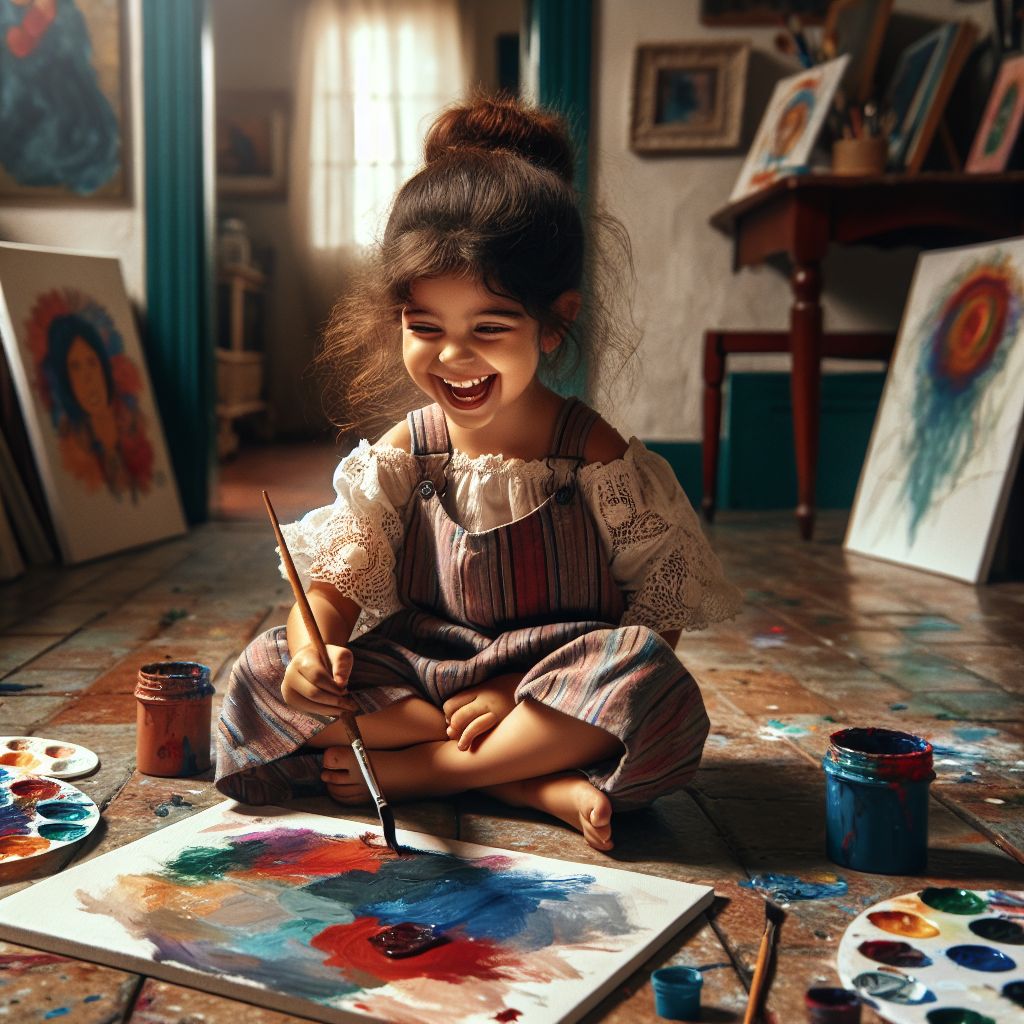
Art, meaning the visual arts like drawing or painting, can be incredibly cathartic for children. It’s a non-verbal way for them to express complex emotions that they might not yet have the words to explain. By drawing, painting, or sculpting, children can confront their feelings head-on, often leading to a sense of relief and understanding. This process helps clear the mental clutter that stress can cause, making room for fresh, creative thoughts to surface.
Journaling and Storytelling Workshops
Journaling is another effective way for much older children and teens to manage their stress. It gives them a private space to spill their thoughts and worries without fear.
Here’s how to get started: learn more about improving your thinking
Nurturing Creativity Through Positive Reinforcement
One of the most effective ways to nurture creativity in children is through positive reinforcement. When a child feels their efforts are recognized and appreciated, they’re more likely to take creative risks and develop their ideas further. This doesn’t mean we should praise everything uncritically, but rather focus on the effort, the process, and the bravery it takes to create.
“Every child is an artist. The problem is how to remain an artist once we grow up.” – Pablo Picasso
When children hear messages that affirm their creative potential, they internalize the belief that they can achieve great things, which is essential for their growth as creators and innovators.
The Power of Praise and Encouragement
Praise should be specific and genuine. Instead of saying “That’s a beautiful drawing,” try “I love how you used so many colors to make your picture vibrant.” This type of feedback acknowledges the child’s choices and effort, giving them confidence to continue exploring their creativity.
Encouragement also means being there to support them through the frustrations and challenges that come with creative endeavors. Remind them that it’s okay to make mistakes—that’s how we learn and grow.
Creating Opportunities for Innovation
Innovation isn’t just for adults; children are natural innovators. They see the world through a lens of wonder and possibility. We can create opportunities for innovation by presenting them with open-ended problems, encouraging them to come up with multiple solutions, and celebrating their unique ideas.
By integrating creativity into the mundane, we teach children to think creatively as a default, not an exception.
Fostering Resilience and Adaptability in Children
Finally, the goal is not just to encourage creativity but to foster resilience and adaptability. These qualities ensure that children can face challenges head-on, adapt to new situations, and continue to innovate throughout their lives.
Teaching Problem-Solving and Critical Thinking
Problem-solving and critical thinking are at the heart of creativity. Or rather creativity is at the heart of true problem solving. By teaching children to approach problems methodically, to weigh their options, and to consider the consequences of their decisions, we’re equipping them with the tools they need to be creative thinkers and doers.
Embracing Mistakes as Learning Opportunities
Mistakes are inevitable, but they’re also invaluable. They teach us what doesn’t work and why, which is just as important as knowing what does work. When a child understands that mistakes are part of the creative process, they’re more likely to persevere and less likely to be crippled by the fear of failure.
Developing Emotional Intelligence through Creative Play
Creative play isn’t just fun; it’s a critical part of developing emotional intelligence. Through role-playing, children learn empathy by putting themselves in others’ shoes. They learn to navigate their emotions and the emotions of others, which is a key component of creativity and innovation.
By following these steps, we’re not just helping children manage stress; we’re setting them up for a lifetime of creative thinking and problem-solving, ensuring they have the resilience to face whatever challenges come their way.
Stanley Lang, M.D. has been in active medical practice since 1978. He has been a family physician during these years with detailed experience in all age groups including delivering babies for several years. He has been a pioneer in developing models of wholistic health care that bring health to the whole person. He has particularly focussed on reversing Chronic Stress effects on the body. He is the creator of the Shalom Method for Wholistic Health, and he has created several online programs that allow patients to naturally self manage their problems including “The Natural Lyme disease Treatment Program”, the “Menopause Balancing Program”, “The Happy Healthy Child” program plus many others.
Understanding the Fascinating Link Between Anxiety and Creativity
Feb 28, 2022 — A growing body of research suggests that there may be a link betw…
Investigating links between creativity anxiety, creative performance, and …
by RJ Daker · 2023 · Cited by 1 — Perhaps most concerning, we found evidence tha…
Anxiety and Its Impact on Learning
Now, new research is revealing that even children with superior intellect and so…




Leave a Reply