
-
Investigating the correlation between joy and inventiveness in youth.
-
Developing a supportive environment that encourages kids to express themselves.
-
Participating in straightforward, enjoyable tasks that stimulate creative thought.
-
Recognizing the essential elements of authentic, enduring joy for kids.
-
Providing significant experiences rather than material gifts for deeper satisfaction.
Recall your childhood. What was your most joyful childhood moment? Was it a birthday celebration with all your buddies? A family vacation to the seashore? Or was it when you constructed a fort from blankets and cushions, a private kingdom in the living room. These recollections are more than just enjoyable times; they’re the foundation of our most joyful selves.
Happiness and Creativity Go Hand in Hand
Ever noticed how your mind seems to overflow with ideas when you’re in a good mood? It’s not a coincidence. Happiness actually activates the parts of your brain that are responsible for creativity. This is why when you’re happy, you’re more likely to think of innovative solutions, create beautiful art, or come up with imaginative stories. In other words, happiness is the secret ingredient to unleashing your creative potential.
How Happiness and Creativity are Linked in Childhood Development
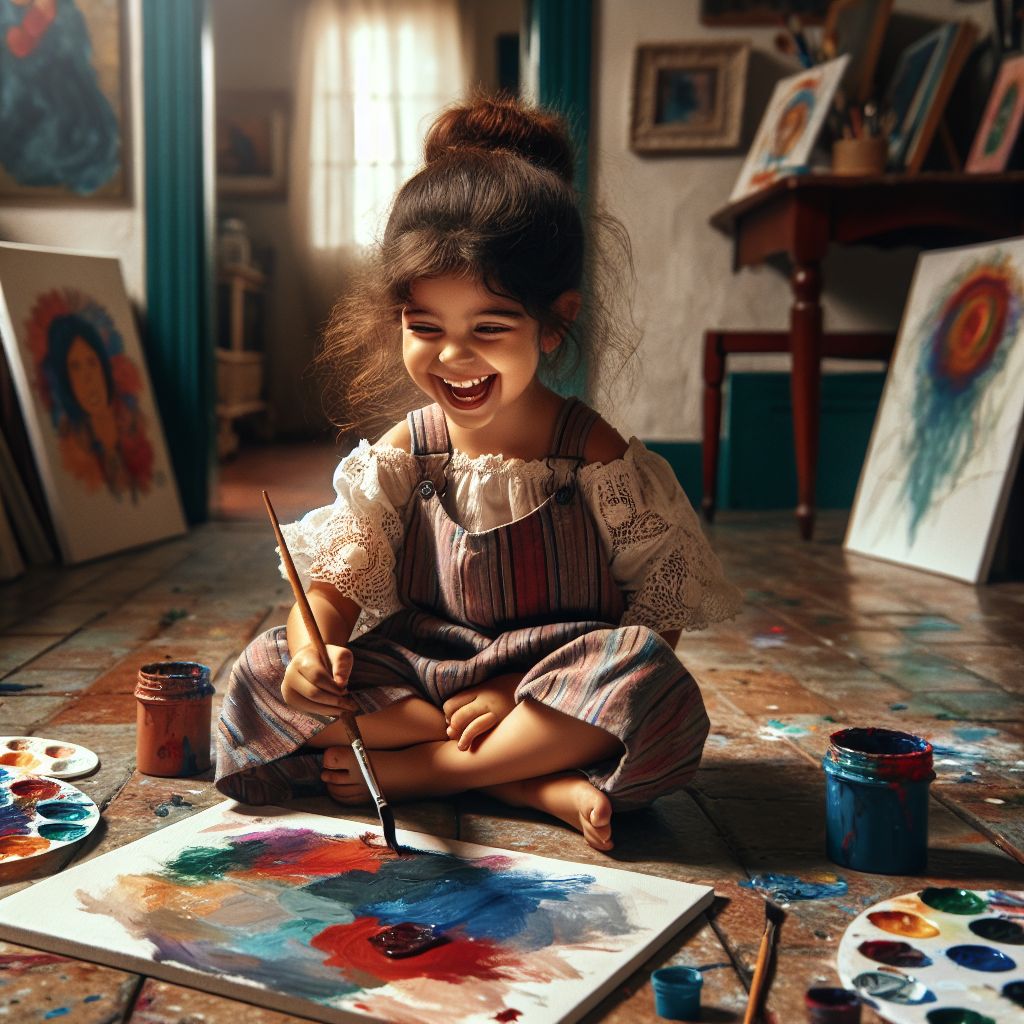
When you’re a kid, the world is full of new and exciting things. Every toy or experience can fill you with a sense of awe. This isn’t just because kids are easily amused. When children are happy, they tend to engage more in creative play. This type of play is crucial for their development. It’s not just about having fun. Creative play helps children learn how to solve problems, express their emotions, and understand the world around them. Children easily move in and out of the state of imagination.
Cultivating a Space That Promotes Artistic Freedom
Wondering how you can create a space that allows children to feel joyous and imaginative? It’s easier than it seems. Here are a few tips to help you begin:
-
Allow children ample time for free play. This involves allowing them to determine what they want to play and how they want to play it.
-
Maintain a stock of various imaginative materials, such as crayons, paper, construction blocks, and costume clothes.
-
Express interest in their projects and thoughts. When they see your enthusiasm, they’ll become even more thrilled!
Keep in mind that it’s not about possessing the most lavish toys or gadgets; it’s about the ability to explore and the encouragement to let their imaginations soar.
Everyday Activities That Can Boost Creativity and Happiness
Here are some really enjoyable activities that can help ignite that happiness and creativity:
-
Throw a living room dance party. Crank up the music and dance like no one is watching!
-
Take a walk in nature and create stories about the animals and trees you encounter.
-
Create something out of cardboard boxes. A spaceship? A castle? The choice is yours!
Not only are these activities a ton of fun, but they also inspire children to use their creativity and experience the joy that comes from making something of their own.
How Can We Provide Genuine Happiness to Children
Genuine happiness for children isn’t about how many toys they have or how grand their birthday celebrations are. It’s about feeling loved, safe, and free to be themselves. So, beyond all the fun and games, it’s important to concentrate on what truly counts, such as fostering healthy self-esteem and social connections. And connected to this is a security that bad things are not going to just happen to them.
Grasping the Contrast Between Temporary Joy and Enduring Happiness
There is a significant contrast between the brief grin from a new toy and the profound joy that lingers. Enduring happiness originates from things like feeling secure, having great companions, and realizing you’re cherished. It’s the sort of joy that causes you to feel warm and fuzzy inside, in any event, when you’re not accomplishing something extraordinary.
Here’s how you can contribute to this enduring joy:
-
Set aside time daily to converse and hear your children out. Ensure they feel listened to and appreciated.
-
Boost their confidence to attempt new things and applaud their attempts, not only their accomplishments.
-
Display your love and care for them. Embraces, sweet words, and quality time spent together can make a significant difference.
By concentrating on these aspects, you’re not merely providing children with a joyful moment; you’re assisting them in constructing a joyful life.
Keep in mind, the most joyful moments from our childhood typically come from the simplest things. So, let’s continue to create these moments, one laugh, one cuddle, and one creative journey at a time.
Creating Chances for Significant Encounters and Achievements
There’s an extraordinary feeling that comes from reaching a goal or learning a new skill that fills a child with joy. These instances are precious for their self-confidence and joy. To foster these moments, we can create opportunities for children to learn, develop, and succeed in their own individual ways.
Take, for instance, the moment a child learns to ride a bike or to swim. The pure delight and surge of self-assurance they display when they pedal unaided for the first time or make it from one end of the pool to the other is something you’ll never forget. These achievements don’t just occur out of the blue; they’re born out of patience, support, and the child’s own tenacity.
It’s not always about the major milestones. Even minor accomplishments, like finishing a puzzle or learning a new word, can be the highlight of a child’s day. The key is to celebrate their hard work and show them that they have the potential to do amazing things.
“I vividly recall the first time I baked cookies with my grandma. The aroma of chocolate chip cookies baking in the oven, the cozy warmth of the kitchen, and the laughter we shared are all indelibly imprinted in my memory. It was more than just about the cookies; it was the joy of creating something delicious together that made that day one of the most joyful moments of my childhood.”
And Not Just Some Temporary Emotional High from Acquiring a New Electronic Gadget
It’s tempting to believe that the newest gadget will make a child the happiest they’ve ever been. But the reality is, the thrill of a new electronic device often fades quickly. What remains is just a memory of desire, not the enduring happiness we wish for our children.
How Material Rewards Affect Long-Term Happiness in Children
Although it’s always exciting to receive new items, using material rewards as a means of happiness can teach children to gauge their joy based on their possessions, not their character or experiences. This can result in a never-ending cycle of desire and dissatisfaction with their current belongings. Genuine happiness stems from within and the relationships we build, not the items we own.
Research indicates that children who place too much importance on material possessions may suffer from low self-esteem and may not be as happy in the future. Therefore, it’s crucial to balance material gifts with experiences and activities that encourage emotional health and personal development.
Healthy Alternatives to Electronic Toys for Kids
So, what else can we gift children instead of the newest electronic toy? Here are a few suggestions:
-
Books that transport them to magical lands and spark their creativity.
-
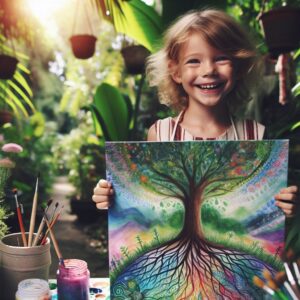
Art supplies that inspire them to paint their thoughts in vibrant hues.
-
Board games that provide enjoyable family time and impart crucial social skills.
These types of presents can assist children in nurturing their intellect and emotions, which is the essence of genuine happiness.
Guiding Kids to Discover Happiness in Non-Materialistic Encounters
In addition to providing alternative presents, we can also guide children to discover joy in daily encounters. Here are a few methods to achieve this:
-
Urge them to engage in outdoor activities and discover the beauty of nature.
-
Instill in them the pleasure of assisting others through kind deeds.
-
Impart to them the value of relishing in life’s simple pleasures, like watching the sunset or sharing a meal with family.
When we guide our children to value the non-materialistic aspects of life, we teach them that happiness is not about what we have, but who we are, the love we give and receive, and the memories we create and treasure.
-
Investigating the connection between joy and inventiveness in early years.
-
Establishing a supportive environment that fosters children’s self-expression.
-
Participating in simple, delightful activities that stimulate creative thought.
-
Recognizing the essential elements of genuine, enduring happiness for children.
-
Providing significant experiences over material rewards for deeper satisfaction.
Authentic happiness in childhood is crafted from the strands of affection, safety, and the liberty to discover. It’s about the laughter that springs forth during a game of tag, the pride in a doodled picture, and the comfort of a bedtime story. These moments aren’t just passing joys; they’re the foundations of a blissful life, both then and now.
When we think back to our own happiest childhood moments, we often find that it’s not the things we had that were most significant, but the experiences we had and the feelings we associate with them. Whether it was the thrill of catching your first fish with your grandfather or the pride you felt after putting on a play with your friends, these are the memories that define us.
Reminiscing About the Joy of Childhood
Remember the days you spent lying on the grass, imagining shapes in the clouds. Or the thrill of inventing a secret handshake with your closest friend. These simple pleasures hold a special place in our hearts. They take us back to a time when joy was as simple as a sunny day and as profound as the night sky.
How Happy Childhood Memories Impact Adult Life
The sweet memories of childhood play a significant role in our adult life. They shape our mental health and affect our worldview. Adults who can recall the happy moments of their childhood have a source of joy to rely on during hard times. Additionally, they are likely to teach their children the same principles of happiness, thereby spreading joy to others.
Childhood Memories to Inspire Today’s Kids
As we work to bring joy to the children of today, let’s reflect on our own happiest times. Encourage them to appreciate the little things, like the beauty of a butterfly fluttering by or the excitement of learning something new. Teach them to prioritize relationships over material things, and to take pride in their own ideas and accomplishments.
In our hectic world, we should encourage children to take a moment to appreciate the present, the joy, the affection, and the life they’re experiencing. That’s the key to a joyful childhood – one that will set them up for a happy adulthood.
Let’s create a world where every child can look back on their happiest moments and know that they were just the beginning of a lifetime of happiness. Let’s give them the best start we can by nurturing happiness, creativity, and love in every moment we spend with them.
And so, we’ve come back to where we started. Our trip down memory lane, reliving the happiest moments of our childhood, serves as a reminder of the lasting power of joy, creativity, and love. These are the gifts that never stop giving, the treasures that children will hold onto long after they’ve grown up. So, let’s keep making those moments, one laugh, one embrace, and one imaginative journey at a time. Because when it comes down to it, the happiest moment of childhood is a collection of all these moments, woven together into a beautiful tapestry – a masterpiece of joy that endures a lifetime.
Reflecting on childhood, we often recall the happiest moments that shaped us into who we are today. These memories, brimming with joy and innocence, remind us of a time when life was simpler and our imaginations knew no bounds and creativity flowed.
Stanley Lang, M.D. has been in active medical practice since 1978. He has been a family physician during these years with detailed experience in all age groups including delivering babies for several years. He has been a pioneer in developing models of wholistic health care that bring health to the whole person. He has particularly focussed on reversing Chronic Stress effects on the body. He is the creator of the Shalom Method for Wholistic Health, and he has created several online programs that allow patients to naturally self manage their problems including “The Natural Lyme disease Treatment Program”, the “Menopause Balancing Program”, “The Happy Healthy Child” program plus many others.
Childhood Memories: The Happiest Moments in My Life
Everything is happy when you are a child, there are no problems. My most memorab…