Key Takeaways
-
Creative play can lead to improved physical health by encouraging active engagement and movement.
-
Artistic expression provides an emotional outlet for children, fostering resilience and a sense of accomplishment.
-
Engaging in creative activities sharpens cognitive skills and enhances problem-solving abilities.
-
Creativity in children is linked to better mental health, reduced stress, and increased happiness.
-
Supporting a child’s creativity can also contribute to stronger social bonds and academic success.

How Creativity Improves Health in Children
When we think of creativity, we often imagine paintings, music, and stories. But creativity is more than just arts and crafts; it’s a vital component of health and development in children. Let’s explore how the act of creating can be a powerhouse for a child’s overall well-being.
The Link Between Creative Play and Physical Wellbeing
It’s no secret that kids need to be active. But here’s the thing: when children dive into creative play, they’re not just sitting around. They’re moving, jumping, and sometimes even dancing. This kind of play isn’t just fun; it gets their little hearts pumping and muscles working. And we all know that regular physical activity is essential for keeping our bodies healthy.
For example, when kids engage in role-playing games, they often run around as they act out their stories. They’re not just exercising their imaginations; they’re giving their bodies a workout too.
Emotional Resilience Through Artistic Expression
Now, let’s talk emotions. Artistic expression is like a language without words. It gives children a way to express their feelings, even when they can’t quite put them into sentences. This is crucial for emotional health because it allows kids to process complex emotions in a safe and constructive way.
Imagine a child who’s had a rough day. They might not want to talk about it, but give them some clay or paint, and they’ll start working through those feelings. It’s a healthy outlet that can lead to a happier and more emotionally resilient child.
Research shows that when children express themselves through art, they’re also learning to cope with feelings like frustration and disappointment, building a strong emotional foundation for the future.
Cognitive Development and Creative Problem Solving
When children create, they’re doing so much more than making something pretty—they’re learning to think in new ways. Creative activities challenge kids to find solutions, make decisions, and adapt to new scenarios. This kind of problem-solving is a workout for their brains, developing cognitive skills that they’ll use in every aspect of their lives.
Take building blocks, for instance. As kids figure out how to balance shapes and create structures, they’re developing spatial awareness and logical thinking. These skills are fundamental in math and science, showing just how creativity intertwines with academic success.
Nurturing Creativity to Promote Mental Health
Mental health is just as important as physical health, and nurturing creativity is a powerful way to support a child’s mental wellbeing. When kids get the chance to be creative, they’re also learning how to manage stress. They become more adept at finding ways to relax and express themselves. This can be particularly helpful during their formative years when they’re still figuring out how to navigate the world around them.
Encouraging children to take on creative projects can also give them a sense of control. They make choices about what they create and how they create it. This sense of autonomy is a building block of self-esteem and confidence. And when children feel good about themselves, they are better equipped to face life’s challenges.
Moreover, creativity can be a social activity that helps children connect with others. Whether it’s a group art project or a school play, creative collaborations can foster friendships and a sense of community. These social connections are vital for mental health, providing kids with a support system and a sense of belonging.
Creative Children are More Healthy Children
It’s clear that creativity isn’t just a way to pass the time; it’s integral to a child’s health. Creative kids tend to be more active, emotionally expressive, and mentally engaged. By embracing creativity, we’re not only helping children develop their unique talents; we’re also contributing to their overall health and happiness.
Impact of Creativity on Reducing Stress and Anxiety
-
Engaging in creative activities like drawing and painting has been shown to lower cortisol levels, a hormone associated with stress.
-
Children who participate in drama and music report feeling more relaxed and less anxious.
-
Simple creative acts, such as coloring or working with playdough, can serve as meditative practices that calm the mind.
Stress and anxiety don’t just affect adults; kids feel it too. With the pressures of school, friendships, and growing up, children can become overwhelmed. Creative activities provide an escape, a way for them to decompress and find peace. It’s like pressing a ‘reset’ button on their stress levels.
For instance, consider the focused attention required when a child is coloring. This act of concentration can help push aside anxious thoughts and provide a break from the whirlwind of daily life. It’s a simple yet effective tool to help manage stress.
And let’s not forget about the power of music. Whether it’s playing an instrument or singing along to a favorite tune, music can be a joyful release. It’s a form of expression that can lift spirits and reduce feelings of anxiety, contributing to a child’s emotional wellbeing.
Enhancing Immune Function Through Joyful Creation
Believe it or not, being creative can even help bolster a child’s immune system. Joy and positive emotions play a role in immune health, and creative activities are a fantastic source of happiness. When children are engaged in something they love, they’re not just having fun; they’re also supporting their body’s ability to fight off illness.
Furthermore, the act of creating together can strengthen a child’s immune system indirectly by fostering a positive environment and reducing stress. Just as laughter and positivity have been shown to improve health, so too can the joy derived from creativity.
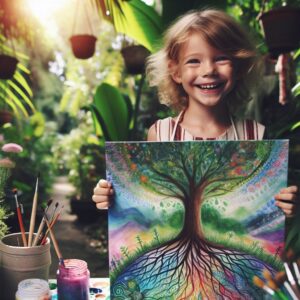
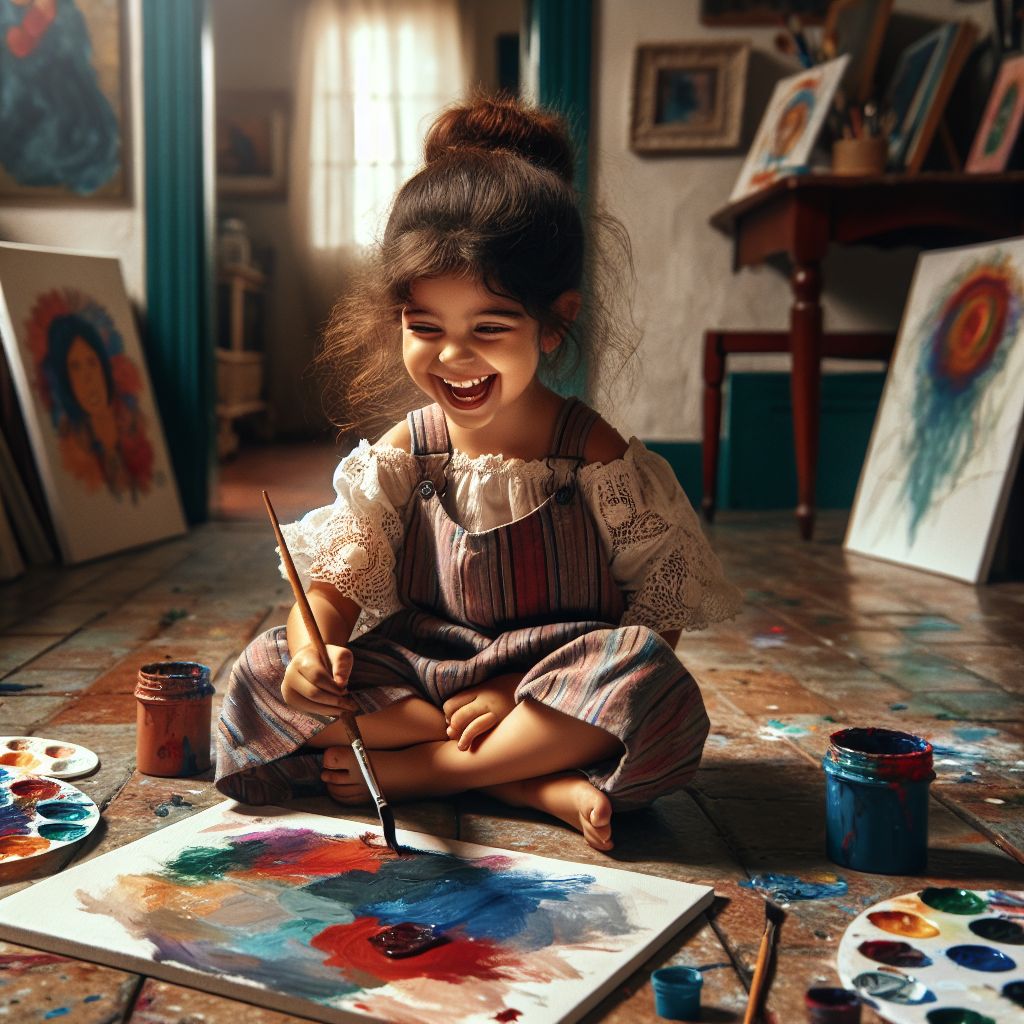
Consider the act of a child painting a picture. The focus and satisfaction of mixing colors and seeing a picture come to life can generate a sense of joy. This positive emotional experience can contribute to a more robust immune response, keeping the child healthier and more resilient to physical ailments.
Building Healthy Social Bonds in Creative Environments
Let’s not overlook the social benefits of creativity. When children work together on a creative project, they’re doing more than sharing crayons and paintbrushes. They’re learning how to communicate, cooperate, and respect each other’s ideas and space. These experiences are fundamental to building healthy relationships and social skills.
In a creative environment, children often feel more comfortable expressing themselves and taking risks. This openness can lead to deeper connections with peers, as they share experiences and support each other’s creative endeavors.
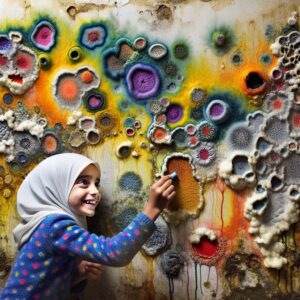
Take a group mural project, for example. Children have to negotiate space, theme, and execution, which teaches them valuable lessons in teamwork and empathy. The end result is not just a piece of art, but a tapestry woven from the threads of shared effort and camaraderie.
Group art projects can transform individual expression into a collective experience, reinforcing the idea that we can achieve more together than alone.
Supporting Academic Success and Overall Wellness
Academic success is often measured by grades and test scores, but there’s a strong argument to be made for the role of creativity in educational achievement. Children who are encouraged to think creatively often develop a love for learning that transcends the classroom.
Creativity encourages curiosity, which is the root of all learning. When children are curious, they’re motivated to explore, ask questions, and seek out new knowledge. This natural inclination to learn can lead to better performance in school and a more well-rounded education.
Moreover, creativity can directly enhance learning. For example, when children write stories or draw pictures related to a topic they’re studying, they engage with the material on a deeper level. This can lead to improved memory retention and understanding of complex concepts.
-
Creative expression aids in the development of motor skills, critical thinking, and problem-solving.
-
Artistic activities can enhance children’s literacy and numeracy skills by encouraging them to think abstractly and symbolically.
-
Drama and role-play can improve language skills and the ability to empathize with different perspectives.
Ultimately, nurturing creativity in children isn’t just about producing artists or musicians; it’s about raising well-rounded individuals who are equipped to handle life’s challenges. By fostering creativity, we’re not only enriching children’s lives today; we’re helping them build the foundation for a healthy, happy, and successful future.
As we’ve seen, the benefits of creativity in a child’s life are manifold. From the physical to the emotional, the cognitive to the social, creativity is a powerful force for good in the development of healthy, happy children. So, let’s provide the space, the materials, and the encouragement for our kids to create, explore, and imagine. Their health and happiness may depend on it.